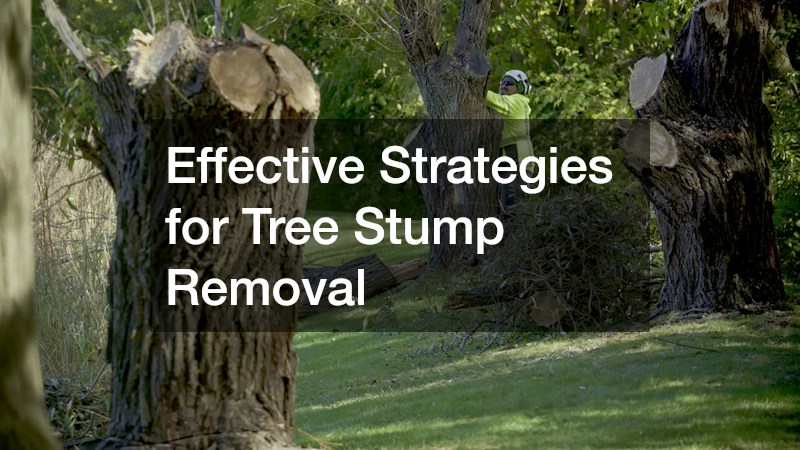

Leaving an old tree stump in the middle of a clean lawn can spoil the beauty of your outdoor space, create a tripping hazard, and complicate everyday yard maintenance. Whether you recently cut down a dead tree or inherited an overgrown yard with legacy root systems, investing in proper tree stump removal is essential to keeping your property safe and functional. Planning an effective tree stump removal strategy requires assessing the size of the wood, your budget, and how quickly you need the clearing completed.
Understanding Common Challenges and Removal Techniques
When property owners decide to tackle leftover wood on their lawn, they generally choose between three primary strategies: manual extraction, natural chemical decomposition, or mechanical grinding.
-
Manual Extraction: Digging around the base with a sharp shovel and cutting side roots with an axe or mattock works best for small, young trees. However, deep taproots and sprawling root networks make this option intensely backbreaking and time-consuming.
-
Chemical Decomposition: Drilling vertical holes into the wood and filling them with high-nitrogen fertilizers or Epsom salts accelerates rotting. While low-effort, this passive technique can take months—or even years—to completely break down dense timber.
-
Mechanical Grinding: Using a heavy-duty machine to chip the wood down below grade is widely recognized as the most efficient approach. It instantly eliminates the main trunk body without destroying the surrounding landscape through heavy trenching.
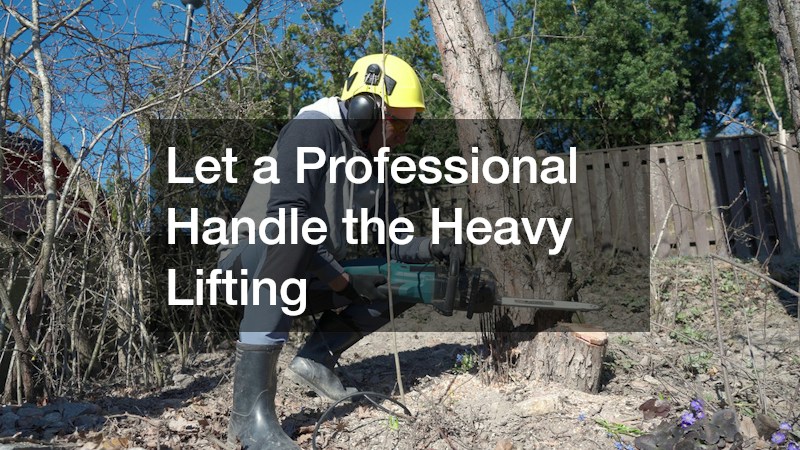
Safety remains a critical factor regardless of the strategy you select. When working with outdoor power tools or sharp axes around low-lying objects, always wear protective eyewear, heavy gloves, and steel-toed boots. Attempting to plunge chainsaws directly into wood near dirt surfaces carries severe kickback risks if the bar tip touches hidden rocks or soil.
Reclaiming Space and Preventing Lawn Pests
Allowing leftover timber to decay naturally might seem harmless, but it exposes your yard to several long-term property risks.
Structural Hazards and Equipment Damage
Protruding wood creates immediate hazards for children playing in the yard and adults walking after dark. Additionally, hit-and-miss runs with lawnmowers can dull or shatter steel mower blades, crack deck housings, and lead to costly equipment repairs.
Pest Attraction and Fungal Growth
Decaying timber serves as a magnet for wood-boring insects. Termites, carpenter ants, and wood-eating beetles frequently establish colonies inside old stumps before migrating toward fence lines, wooden decks, or the main structure of your home. Furthermore, opportunistic fungi like honey fungus flourish on rotting roots, spreading underground spore networks that can infect nearby healthy trees and shrubs.
Unwanted Sprouting and Regrowth
Many tree species do not die quietly when cut down. Dormant buds near the root collar often send up dozens of suckers and shoots. These vigorous young sprouts siphon nutrients from the surrounding soil, create dense brush piles, and turn a single maintenance job into an ongoing weed-fighting headache.
Restoring Your Yard After Removal
Once you have successfully executed your tree stump removal plan, the job isn’t quite finished. Completing proper ground restoration ensures your lawn rebounds cleanly, leaving no unsightly depressions behind.
First, clear out the leftover wood chips and organic debris from the hole. While wood mulch makes a great weed barrier for garden beds, mixing too much fresh sawdust into native soil temporarily depletes soil nitrogen as it breaks down, preventing lawn grass from taking root.
Next, pack the remaining hole with a balanced mixture of fresh topsoil and compost. Tamping the soil firmly in layers prevents future settling after heavy rain. Finally, top the area off with grass seed or sod that matches the rest of your lawn, keeping the soil damp until new root systems establish. Proper tree stump removal and ground restoration turn a former obstacle into seamless, green turf.
Let a Professional Handle the Heavy Lifting
Tackling stubborn roots without commercial machinery can quickly drain your weekend and strain your back. When you want quick, thorough, and professional results without damaging your turf, trust a local stump grinding company who has the right equipment for the job.
For fast, dependable service that restores your yard’s beauty in a fraction of the time, reach out to Boone’s Stump Grinding.