
Almost every household sits on thousands of dollars in dormant wealth. It quietly accumulates inside bureau drawers, safe-deposit boxes, garage corners, and attic storage bins. Most people view these items as clutter or forgotten remnants of past hobbies, but in reality, they represent trapped financial equity. When personal finances get tight, or when you simply want to eliminate high-interest credit card balances, build a three-month emergency reserve, or fund an overdue home renovation, liquidating underutilized personal property is one of the fastest, most effective paths forward.
Cashing out personal assets should never feel like a chaotic fire sale. When approached with a disciplined, methodical strategy, liquidating personal property becomes an empowering exercise in financial restructuring. The goal is to move methodically: catalog what you own, understand the mechanics of fair-market value, steer clear of predatory storefronts, and connect directly with specialized buyers who pay true secondary-market rates.
Auditing Household Wealth: Finding What Holds Real Resale Value

The first hurdle in liquidating assets is overcoming inertia. Most people glance at their storage spaces and feel overwhelmed, unable to differentiate between worthless junk and genuine secondary-market value. A successful liquidation begins with an objective inventory audit.
Room-by-Room Inventory Strategies That Uncover Trapped Capital
To conduct an effective household audit, you need to break the property down into zones rather than tackling the entire house at once. Arm yourself with a notebook, a digital camera, and a dedicated storage bin for items earmarked for evaluation.
- Inspect bedroom jewelry boxes and dressers for broken chains, mismatched earrings, bent rings, and vintage mechanical watches.
- Check home safes and desk drawers for inherited proof sets, loose silver change minted before 1965, foreign currency envelopes, and commemorative medallions.
- Search closets, basements, and climate-controlled storage for trading binders, autographed sports memorabilia, and vintage toys.
- Evaluate garages, driveways, and side yards for motorized vehicles, utility trailers, and marine recreational equipment that sit idle for months at a time.
As you catalog each piece, record the condition, maker marks, serial numbers, and any original paperwork or receipts you can find. Original packaging and certificates of authenticity can dramatically boost final offers.
Navigating the Boundary Between Sentimental Heirlooms and Dead Equity
Holding onto sentimental items is natural, but emotional attachment often blinds people to the carrying costs and depreciation of physical goods. Items packed away in dark cardboard boxes provide zero daily utility.
- Separate pure nostalgia from practical function by asking when you last handled, displayed, or used the item over the past twenty-four months.
- Recognize that heirloom status does not automatically translate into collector demand; consumer tastes change across generations, and heavy antique furniture or ornate silver-plated serving sets often yield far less than modern precious metals.
- Calculate the real storage overhead, including rental unit fees, climate-control costs, and routine maintenance, to see whether holding the item is actually costing you money each month.
Once you identify which pieces you are ready to part with, you can begin matching each category of property to the correct marketplace.
Turning Scrap, Broken Bands, and Estate Pieces into Immediate Funds
Unwanted jewelry is one of the most liquid assets in any household. Old wedding bands from previous marriages, single earrings whose partners were lost years ago, and broken gold chains all possess immediate cash value based entirely on their underlying metal content.
Understanding Purity Stamps, Melt Formulas, and Market Fluctuations
Before walking into any transaction, you must understand how precious metal is valued. Jewelers do not buy scrap based on retail sticker prices; they buy based on fine metal weight and the daily spot price of gold.
- Check the hallmark stamps on your pieces with an inexpensive jeweler’s loupe. Look for markings such as 10k (.417 purity), 14k (.585 purity), 18k (.750 purity), or 24k (.999 pure gold).
- Convert gross weight into pure fine weight. A 14k ring weighing 10 grams contains only 5.85 grams of actual gold, with the remainder composed of alloy metals like copper, nickel, or silver added for structural durability.
- Track live market indices through reliable financial apps so you know the exact price of gold per troy ounce before asking anyone to make an offer.
Understanding these formulas protects you from accepting lowball estimates. When you decide to sell jewelry that is fractured, dented, or missing its center stones, your sole benchmark is the intrinsic melt value of the remaining metal alloy.
Vetting Storefront Walk-Ins to Secure Authentic Transparent Payouts
The retail scrap industry ranges from elite bullion dealers to opportunistic pop-up shops set up in strip malls and hotel conference rooms. Knowing who to trust makes a massive difference in your net proceeds.
- Avoid mall kiosks, traveling hotel buying events, and mail-in envelope services that advertise heavily on late-night television, as their operational overhead often translates to offers as low as twenty to forty percent of melt value.
- Seek out an established, licensed gold buyer with a brick-and-mortar presence, positive client reviews, and transparent testing equipment.
- Insist that the dealer test your items directly in front of you using non-destructive methods like X-ray fluorescence (XRF) analyzers or traditional acid touchstone testing.
- Ensure the scales are legal for trade, calibrated properly, and positioned so that you can clearly read the weight in either grams or pennyweights.
A reputable dealer will clearly explain the spread they take to cover their refining costs and profit margin, typically paying between seventy and eighty-five percent of spot value for scrap material.
Maximizing Value on High-End Designer and Fine Jewelry
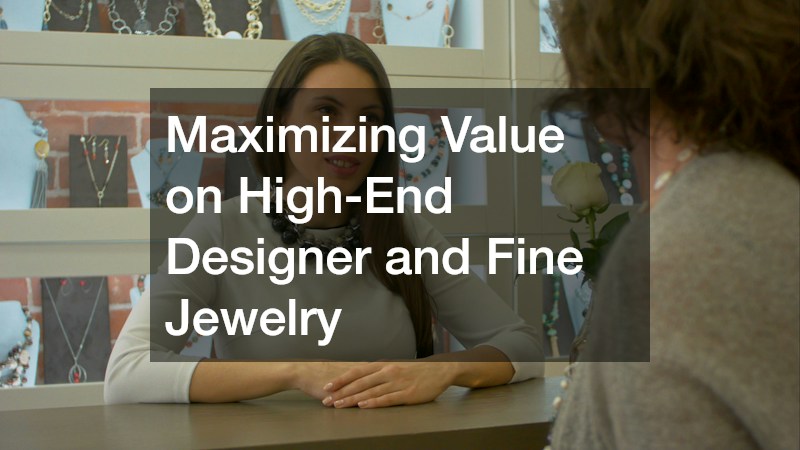
While broken mountings and unbranded chains are best sold for scrap, signed designer jewelry and large certified gemstones require a completely different sales approach. Selling a Cartier bracelet or a Tiffany engagement ring strictly for melt value throws away thousands of dollars in artistic craftsmanship and brand equity.
Assessing Gemstones, Provenance Documents, and Signature Maker Marks
Designer jewelry carries an intangible premium that scrap melters completely disregard. To capture this value, you must treat the transaction like an art sale rather than a commodity trade.
- Gather all original collateral, including outer presentation boxes, velvet cases, store purchase receipts, and service records.
- Locate independent laboratory grading reports for any prominent diamonds or colored gems. Reports from the Gemological Institute of America (GIA) or the American Gem Society (AGS) provide verified grades for carat weight, color, clarity, and cut.
- Clean the pieces carefully using gentle, non-abrasive methods to ensure stamps, serial numbers, and hallmarks are crisp and legible under magnification.
Having authenticated paperwork shifts the balance of power during negotiations. Professional jewelry buyers look for verifiable provenance because it allows them to turn around and resell the piece to collectors or retail clients without paying for third-party laboratory authentication.
Comparing Online Consignment Platforms with Direct In-Person Dealerships
Securing the highest payout for luxury jewelry requires deciding between fast liquidity and maximum long-term return.
- Dedicated luxury consignment platforms usually net the highest dollar return—often seventy to eighty percent of the eventual retail sale—but you must wait weeks or months for an end buyer to finalize the transaction.
- Physical estate jewelers and specialty dealers provide instant wire transfers or cashier’s checks on the spot, but they take a wider margin to account for their inventory holding costs.
- Evaluate customer dispute policies, loss-damage insurance coverage during transit, and clear cancellation clauses before shipping valuable merchandise to any online dealer.
Taking time to compare three distinct offers across both digital platforms and local boutique shops is the best place to sell gold timepieces, heirloom diamond rings, and vintage signed brooches. Multiple offers give you immediate leverage, preventing you from surrendering high-end designer pieces for standard melt rates.
Cashing Out Inherited Mint Collections and Currency Hoards
Inherited bullion coin collections represent another massive category of hidden household liquidity. Many people open a safe-deposit box left by a relative to discover albums filled with vintage silver dollars, rolls of wheat pennies, and foreign silver coinage. Cashing these out correctly requires numismatic patience.
Separating Rare Numismatic Rarities from Melt-Weight Metal Stashes
The coin market is sharply bifurcated into two realms: bullion silver that trades on metal weight, and rare collector coins that trade on scarcity, strike quality, and historical significance.
- Identify common junk silver: United States dimes, quarters, and half dollars minted in 1964 or earlier contain ninety percent pure silver. These coins were produced in the hundreds of millions and are traded primarily for their raw silver weight.
- Search for key-date strikes and low-mintage years. A 1921 Morgan silver dollar may only fetch modest bullion value, while an 1893-S Morgan in similar condition can command thousands of dollars from eager collectors.
- Schedule a consultation with a dedicated coin buyer who evaluates each coin individually rather than weighing whole albums in bulk on a freight scale.
A true numismatist will examine the strike details, mintmarks, and surface quality of your collection, ensuring that rare varieties are not accidentally tossed into a melting crucible.
Avoiding Cleaning and Handling Mistakes That Destroy Collector Premium
The single most damaging mistake amateur sellers make is attempting to shine, polish, or wash old coins before presenting them for sale.
- Never use chemical dips, baking soda pastes, silver polish, or abrasive cloths on vintage coins. Polishing introduces microscopic surface scratches known as hairlines, which immediately wipe out original mint luster.
- Understand that reputable coin sellers will instantly discount a cleaned coin by fifty percent or more, as professional collectors view cleaning as permanent, irreversible damage.
- Handle rare coins exclusively by their outer edges using clean, dry hands, or wear powder-free nitrile gloves to prevent skin oils from causing spots or discoloration.
- Keep historically significant coins in their original paper flips, cardboard holders, or hard plastic slabs until an expert appraiser inspects them.
If a coin appears to have extraordinary value due to a rare date or flawless condition, consider submitting it to professional grading services such as PCGS or NGC before entertaining purchase offers.
Monetizing Sovereign Metals and Niche Collectibles

Beyond antique coinage, many households contain modern investment-grade metals or specialized pop-culture collectibles. These assets are highly liquid, provided you approach the buyers who actively trade in those secondary markets.
Navigating Mint Casts, Rounds, and Government-Issued Legal Tender
Modern precious metal comes in two main formats: private mint rounds and government-backed sovereign coins. Each format carries different spreads and buyer expectations.
Because sovereign metals are recognized globally, they command rapid turnarounds and competitive buy-back spreads at major coin and bullion exchanges.
Tapping Into Pop-Culture, Gaming, and Vintage Memorabilia Markets
Trading cards and vintage gaming memorabilia have evolved into a multi-billion-dollar alternative asset class. If your household inventory includes sports cards from the 1950s through 1980s, early Pokémon sets, or Magic: The Gathering collections, significant capital may be waiting.
For large binders of moderate-value cards, selling in bulk lots directly to a local card store or via online hobby auctions provides fast liquidity without the stress of managing hundreds of individual micro-transactions.
Offloading High-Maintenance Mechanical and Recreational Assets
Small collectibles and precious metals take up little physical space, but larger recreational equipment and motorized property can quietly drain household finances through ongoing registration, maintenance, and storage fees. Selling an unused vehicle or vessel turns an ongoing monthly liability into immediate, usable equity.
Eliminating Yard-Bound Liabilities, Recurring Slips, and Storage Fees
Recreational watercraft are notorious for their relentless carrying costs. Between annual winterization, bottom paint, marina slip rentals, trailer registrations, and specialized insurance policies, an idle used boat is an expensive drain on household cash flow.
Selling an underused vessel before the start of the primary boating season captures peak seasonal demand and immediately stops recurring storage and slip expenses.
Bypassing Title Hassles and Safety Risks with Dealership Trade-Outs
Selling an extra car, truck, or motorcycle through private-party classifieds can be frustrating. You face endless spam messages, dangerous test-drive requests from uninsured strangers, and the risk of fraudulent cashier’s checks.
Walking away with a verified bank check or direct wire transfer frees up garage space, ends ongoing auto insurance premiums, and puts thousands of dollars back into your budget. Go to a local used auto dealer for help with selling old cars.
Smart Asset Liquidation
Transforming unused physical goods into usable cash is a practical financial reset that anyone can execute. By systematically identifying what you own, setting realistic expectations based on verified secondary markets, and working directly with reputable specialists, you can safely unlock the cash tied up in your home. You will clear out physical space, eliminate ongoing maintenance and storage expenses, and build a stronger, more flexible financial foundation.