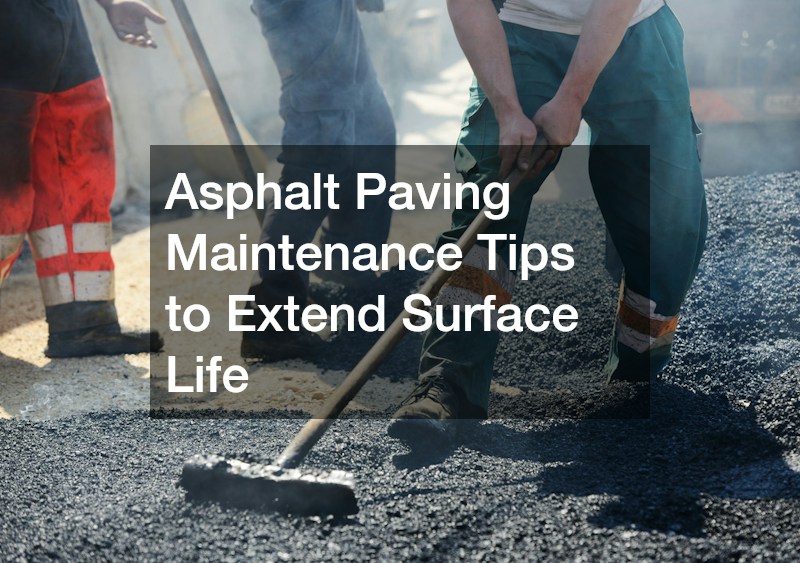

Asphalt surfaces provide a durable, practical solution for residential driveways, commercial parking lots, and private roads. However, regular use and exposure to changing weather conditions can gradually wear down the surface. Without proper care, small cracks, drainage problems, and other minor issues can develop into costly repairs. Establishing a consistent maintenance routine helps property owners protect their investment and keep their pavement in good condition.
Understanding the factors that contribute to surface deterioration makes it easier to identify potential problems before they become more serious. From addressing cracks promptly to maintaining proper drainage, several practical steps can help extend the life of paved surfaces.
Property owners who prioritize preventive care can improve pavement performance, maintain a clean appearance, and reduce the likelihood of premature replacement.
Keep the Surface Clean and Free of Debris
Routine cleaning is one of the simplest ways to maintain paved surfaces. Dirt, leaves, gravel, and other debris can accumulate over time, creating an unkempt appearance and potentially contributing to surface deterioration. Organic materials may also trap moisture against the pavement, increasing the risk of damage when temperatures fluctuate.
Sweeping driveways and parking lots regularly helps remove loose debris before it accumulates. For larger commercial properties, scheduled cleaning can prevent dirt and litter from collecting in corners, along curbs, and around drainage areas. Removing oil, gasoline, and other automotive fluids is particularly important because these substances can weaken the asphalt binder that holds the surface together.
When cleaning oil stains, use a suitable cleaning product and follow the manufacturer’s instructions. Avoid harsh chemicals that could damage the pavement or surrounding landscaping. Pressure washing may be appropriate for certain surfaces, but excessive pressure can dislodge loose material or worsen existing damage. Use appropriate equipment and techniques based on the pavement’s condition.
Keeping the surface clean also makes inspections easier. When debris no longer obscures the pavement, property owners can identify cracks, depressions, discoloration, and other warning signs that may require professional attention.
Address Cracks and Surface Damage Early
Cracks are common as pavement ages, but allowing them to remain untreated can lead to more extensive deterioration. Water can enter through small openings and weaken the underlying base. During freezing conditions, trapped moisture may expand, putting additional stress on the surrounding material. Even in warmer climates, repeated exposure to water can contribute to erosion beneath the surface.
Inspect paved areas periodically for longitudinal cracks, transverse cracks, and interconnected cracking patterns. Pay particular attention to areas around edges, joints, drainage structures, and locations where vehicles frequently stop or turn. These areas may experience additional stress that accelerates deterioration.
Prompt crack sealing helps limit water infiltration and slows the progression of certain types of damage. However, not every crack should receive the same treatment. The appropriate repair method depends on the crack’s size, cause, location, and severity. Widespread cracking, sinking areas, and potholes may indicate deeper structural problems that require more extensive repairs.
Professional evaluations can help determine whether a localized repair will be sufficient or whether the pavement needs additional work. Addressing damage early often prevents minor defects from spreading into larger problem areas.
Property owners should also avoid placing heavy loads on visibly weakened sections whenever possible. Excessive weight can worsen existing cracks and depressions, particularly when the underlying support has deteriorated.
Maintain Proper Drainage Around Paved Areas
Water management plays a major role in pavement longevity. Although asphalt can withstand normal exposure to rain, standing water can accelerate deterioration when it repeatedly penetrates cracks or reaches weakened sections of the base. Poor drainage may eventually contribute to potholes, surface depressions, and uneven areas.
Check paved surfaces after rainfall to identify places where water collects instead of draining away. Persistent puddles may indicate an uneven surface, inadequate grading, or blocked drainage systems. Clearing leaves and debris from nearby drains, gutters, and catch basins helps water move away from the pavement as intended.
Property owners should also inspect the surrounding landscape. Soil, mulch, and landscaping materials can obstruct drainage paths or redirect runoff toward paved areas. Maintaining clear drainage routes reduces the likelihood of water pooling along pavement edges.
When drainage problems persist, professional assistance may be necessary. Depending on the underlying cause, solutions could include correcting the slope, improving drainage infrastructure, or repairing sunken sections. Simply filling a depression without addressing its cause may provide only temporary relief.
Effective drainage is especially important for parking lots and driveways that experience frequent vehicle traffic. Saturated base materials may lose their ability to support vehicle loads, making the surface more vulnerable to cracking and deformation.
Apply Preventive Treatments When Appropriate
Preventive treatments can help protect pavement from environmental exposure and everyday wear. Sealcoating, for example, applies a protective layer over suitable asphalt surfaces. This treatment can reduce exposure to sunlight, moisture, and certain automotive fluids while improving the pavement’s appearance.
However, sealcoating is not a substitute for necessary repairs. Cracks, potholes, and structural defects should be evaluated and addressed before a protective coating is applied. Covering damaged areas without proper preparation may conceal problems temporarily without resolving them.
The appropriate timing for sealcoating depends on the pavement’s condition, traffic levels, climate, and the product manufacturer’s recommendations. Applying treatments too frequently or without sufficient preparation may waste resources and produce unsatisfactory results.
Property owners should consult a qualified pavement professional to determine whether sealcoating is appropriate for their surfaces. A professional can assess existing wear, recommend necessary repairs, and establish a practical maintenance schedule.
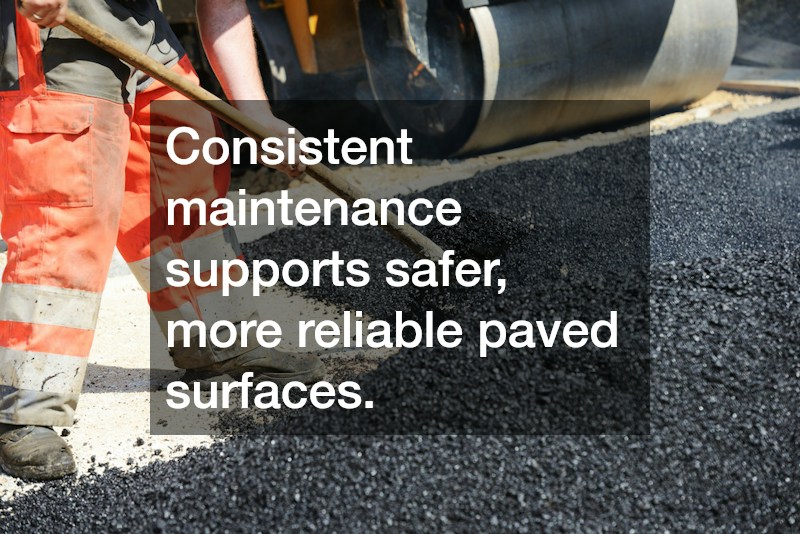
A proactive approach to asphalt paving maintenance can reduce avoidable deterioration and help preserve the appearance and functionality of driveways, parking lots, and private roads. By scheduling routine inspections and consulting qualified professionals when necessary, property owners can make informed decisions about repairs and preventive care. Consistent maintenance ultimately supports safer, more reliable paved surfaces while helping manage long-term maintenance costs.