
Flipping a house is often romanticized as a solo journey of grit and a sledgehammer, but seasoned investors know that the “self-made” flipper is a myth. To turn a derelict property into a high-yield asset, you aren’t just a renovator; you are a project manager. The difference between a six-figure profit and a devastating loss usually comes down to the quality of the experts you hire.
In this comprehensive guide, we will break down the essential specialists required to transform a property from the ground up. By understanding the specific roles of these professionals, you can mitigate risk, stay within budget, and ensure that the final product meets the rigorous standards of modern homebuyers.

The Core Infrastructure: Ensuring Structural Longevity
Before you can focus on the “pretty” features like marble countertops or gold-faucets, you must address the bones of the house. Buyers are increasingly savvy, and their inspectors will look past the fresh paint to see if the foundation is sinking or if the roof is failing.
Establishing a Solid Foundation
The foundation is the literal and figurative base of your investment. If the basement walls are bowing or the crawlspace is damp, no amount of staging will save the sale. This is where you need specialized concrete contractors to evaluate the slab or perimeter walls. While a general builder might offer a cursory glance, these specialists use advanced leveling tools and moisture sensors to detect issues that could derail a closing later.
-
Actionable Tip: If you notice stair-step cracks in the exterior brickwork, call in the pros immediately. It is far cheaper to reinforce a foundation during the demolition phase than to try and fix it after the flooring has been installed.
-
The ROI Factor: A stable foundation doesn’t necessarily “add” value in the eyes of a buyer, but an unstable one can devalue a home by 20% or more.
Securing the Building Envelope
Once the ground is stable, you must look up. Water is the most destructive force a flipper faces. To protect your interior work, you need to engage roofing contractors or a reroofing contractor as early as possible. A full replacement is often better than a patch job because it allows you to offer a “brand new roof” as a primary selling point in your listing.
-
Avoid the “Overlay” Trap: Some investors try to save money by adding a second layer of shingles. However, many inspectors flag this as a shortcut that adds unnecessary weight to the rafters. Always opt for a full tear-off.
-
Permit Management: Ensure your contractor pulls the necessary municipal permits. Unpermitted roof work is one of the easiest ways for a title company to stall a sale.
Exterior Transformations and Curb Appeal
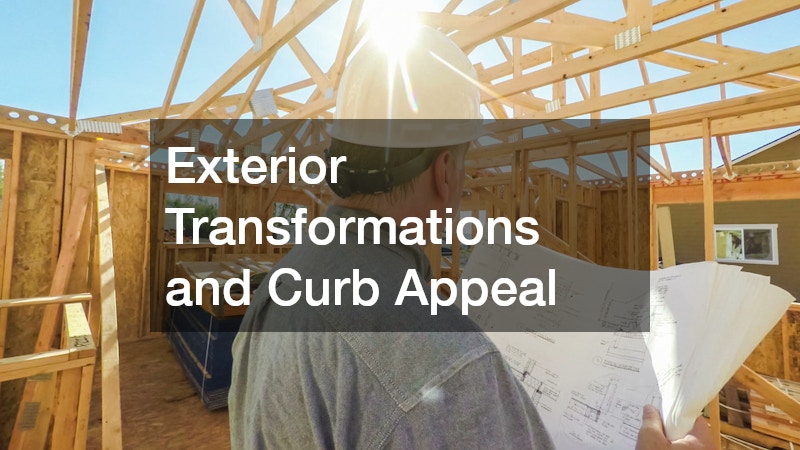
The exterior of the home is your first and best chance to capture a buyer’s heart. “Curb appeal” is more than just a buzzword; it is the psychological gateway that makes a buyer feel like they are coming home.
Revitalizing the Façade
Old, cracked wood or faded vinyl siding makes a house look tired and high-maintenance. Professional siding contractors can transform the silhouette of a home in a matter of days. Whether you are opting for modern fiber cement or high-grade insulated vinyl, the goal is to create a sleek, uniform look that screams “new construction.”
-
Modern Color Palettes: Current trends lean toward “Greige,” navy with white trim, or charcoal. Consult with your specialists on what materials are trending in your specific zip code.
-
The Details Matter: When working with these professionals, don’t forget the soffits and fascia. Replacing the main panels but leaving the trim rotted is a classic amateur mistake.
The Finishing Touches of the Outer Shell
In many cases, the roof requires more than just a few repairs; it requires a total overhaul. While you might have a general handyman on-site, a dedicated roofing contractor is necessary for complex tasks like flashing around chimneys and installing ridge vents. Proper ventilation is key to ensuring the home doesn’t “sweat” in the summer, which leads to wood rot.
-
Check the Gutters: A professional roofer should also assess the drainage system. Diverting water away from the newly repaired foundation is critical.
-
Warranty Transfer: Ensure that all warranties provided are transferable to the new owner. This is a massive psychological “win” for a buyer who may be nervous about the costs of homeownership.

Creating Outdoor Lifestyle Spaces
Modern buyers view the backyard as an extension of the living room. If you leave the yard as a patch of dirt and weeds, you are leaving money on the table.
Designing the Ultimate Backyard Retreat
A well-placed deck can provide a 70% or higher return on investment. By hiring deck contractors, you can navigate the complexities of local building codes and weight-bearing requirements that a DIYer might miss. A professional build ensures the ledger board is properly flashed to the house, preventing water from seeping into the kitchen or dining room walls.
-
Material Selection: Pressure-treated wood is cost-effective, but composite materials (like Trex) are often preferred by buyers who don’t want to spend their weekends staining and sealing wood.
-
Safety First: Railing heights and stair-tread depths are strictly regulated. A professional will ensure your deck is “to code,” preventing a failed inspection during the escrow period.
Enhancing Driveways and Walkways
The driveway is the “red carpet” of your property. If it is crumbled or riddled with potholes, it sets a negative tone before the buyer even exits their car. Engaging asphalt paving contractors can give the property a clean, crisp finish. A fresh blacktop against a freshly painted house creates a high-contrast, “pop” effect that looks incredible in listing photos.
-
Regrading for Success: If the driveway currently slopes toward the house, have the crew regrade it to ensure water flows toward the street.
-
Curing Time: Remember that new asphalt needs time to cure. Coordinate this work so it doesn’t happen when you have dozens of heavy trucks from other trades driving over it.

Interior Finishes: Where the Sale is Won
While the exterior gets them through the front door, the interior finishes—specifically the kitchens, bathrooms, and flooring—are what ultimately sell the home.
Setting the Stage with Premium Surfaces
Flooring is often the largest single expense in an interior renovation, but it also has the largest impact on the “feel” of the home. A local flooring contractor will help you navigate the various options, from engineered hardwood to luxury vinyl plank. In a flip, you want a product that is durable enough to withstand “open house” foot traffic but stylish enough to look expensive.
-
Uniformity is Key: Avoid “chopping up” the house with different flooring types in every room. Using the same material throughout the main living areas makes the home feel larger and more cohesive.
-
The Subfloor Secret: A professional will always check the subfloor for levelness. Nothing ruins a “luxury” feel faster than a floor that creaks or dips when a buyer walks across it.
Adding Artistic Flair to Functional Areas
For flips in mid-to-high-end markets, standard materials can feel a bit “cookie-cutter.” This is where a decorative concrete contractor can provide a unique edge. From polished concrete floors in a finished basement to custom-poured concrete countertops in the kitchen, these features add a bespoke, architectural feel that differentiates your property from the house down the street.
-
Industrial Chic: Polished concrete is incredibly popular in urban lofts and modern farmhouse designs. It is virtually indestructible and very easy for the new homeowner to clean.
-
Outdoor Integration: You can also use these specialists for stamped concrete patios or fire pit surrounds, creating a seamless transition from the interior to the exterior.

Managing Water and Luxury Amenities
If your investment property includes a pool, you are dealing with a double-edged sword. A pristine pool is a dream; a cracked, leaking pool is a legal nightmare.
Restoring Aquatic Appeal
When a house has been sitting vacant, the pool is usually the first thing to deteriorate. You must bring in swimming pool contractors to perform a pressure test on the lines and inspect the equipment. If the plaster is stained or the tile is falling off, a full resurfacing is necessary to make the backyard look like a resort rather than a liability.
-
Safety Equipment: Most states require specific fencing and alarms for pools. Ensure your specialists are up to date on these requirements so you don’t face fines or delays.
-
The Visual “Blue”: There is something about sparkling blue water that triggers an emotional response in buyers. Ensure the pool is professionally cleaned and balanced every week while the house is on the market.
Finding Regional Experts
It is often best to work with local pool contractors who understand the specific climate challenges of your area. For instance, in colder climates, they will know how to properly winterize the system, whereas in desert climates, they can advise on high-efficiency pumps to save the future homeowner on utility bills.
-
Service History: Ask for a written report on the pool’s condition that you can provide to potential buyers. Transparency builds trust and speeds up the negotiation process.
-
The Equipment Pad: Don’t just focus on the water. Make sure the pumps, filters, and heaters are clean and labeled. It shows the buyer that the home has been meticulously maintained.
Strategic Project Management and the “Final Walk”
As you near the end of your flip, the focus shifts from heavy construction to the “punch list.” This is the stage where your attention to detail will be tested.
Coordinating the Trade Parade
The biggest challenge in a flip is the “sequence of events.” You don’t want your painters working at the same time as your flooring crew.
-
Demo and Structural: Get the heavy lifting out of the way.
-
Mechanicals: HVAC, plumbing, and electrical.
-
Exterior: Roofing, siding, and paving.
-
Interior Finishes: Drywall, paint, and flooring.
-
Landscaping and Cleaning: The final “polish.”
The Importance of Specialized Skillsets
One of the most common mistakes new flippers make is hiring a “jack of all trades” to do everything. While it might seem cheaper on paper, a general laborer will never have the precision of specialized concrete contractors when it comes to a smooth finish, or the deep knowledge of a dedicated roofing expert when it comes to complex valley flashing.
By hiring specialists, you ensure that:
-
The work is done faster (they have the right tools for that specific job).
-
The work is done to code (they know their specific niche inside and out).
-
The warranties are valid (manufacturers often require professional installation to honor warranties).
Final Inspections and Quality Control
Before listing the property, conduct your own “buyer’s walk-through.” Open every window, turn on every faucet, and flush every toilet. Look at the edges of the carpet and the corners of the baseboards. It is these small, often overlooked details that signal to a buyer that the house was renovated with care rather than just “slapped together” for a quick buck.
-
The “Sniff Test”: Ensure there are no lingering smells from construction or previous pets. A professional deep clean—including the air ducts—is worth every penny.
-
Lighting: Swap out every bulb for a consistent color temperature (usually 3000K to 3500K). It makes the photos look professional and the rooms feel warm.
Building a Repeatable System
Successful house flipping is a marathon, not a sprint. The experts you hire for your first flip should ideally become your “go-to” team for your second, fifth, and tenth projects. When you build a relationship with a reliable group of contractors, you get better pricing, priority scheduling, and a level of trust that is invaluable in the high-pressure world of real estate investing.
Always remember that your reputation is your most valuable asset. By hiring the right experts and refusing to cut corners on the structural or mechanical aspects of a home, you aren’t just selling a house—you are providing a safe, beautiful home for a new family. That commitment to quality is what will ultimately lead to long-term success and a thriving investment business.