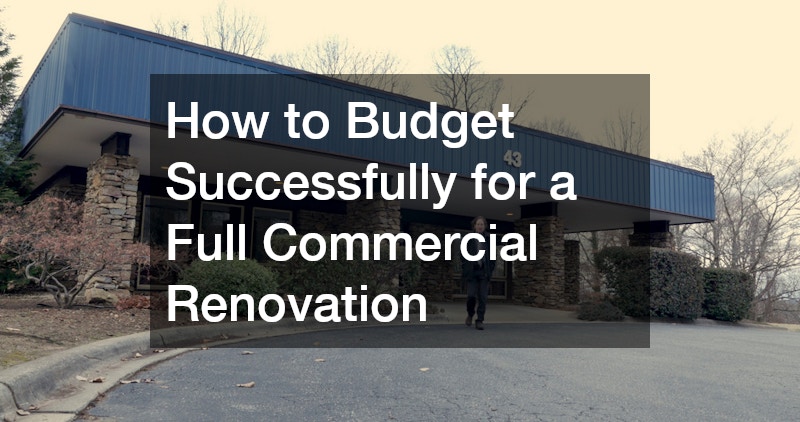
The commercial real estate landscape is more competitive today than ever before. With shifting work paradigms, stringent environmental regulations, and an increasing emphasis on occupant health and technological integration, static properties are rapidly losing their market appeal. Property owners and facility managers can no longer rely on simple geographic advantages or historical prestige to maintain high occupancy rates. Aging infrastructure inevitably leads to higher vacancy rates, increased liability, and bloated maintenance budgets, all of which eat away at net operating income and overall valuation.
To thrive in this environment, stakeholders must view their properties as dynamic assets that require strategic, ongoing investment. Tenants are now looking for spaces that actively contribute to their operational efficiency, employee retention, and corporate sustainability goals. When a building fails to meet these modern expectations, premium tenants look elsewhere, leaving landlords with lower-tier leases and diminishing returns. The solution lies in executing high-return-on-investment (ROI) facility upgrades that not only address immediate structural deficiencies but also future-proof the asset for decades to come.
By prioritizing structural integrity, energy efficiency, modern aesthetics, and smart technology, property owners can significantly maximize their property’s market valuation. Strategic capital expenditures reduce day-to-day operating expenses, minimize the risk of catastrophic system failures, and create a highly marketable space that commands top-tier rental rates. The following comprehensive guide details the most impactful facility upgrades you can implement to revitalize your building, attract discerning tenants, and secure a lucrative long-term return on your real estate investment.
Transform Your Exterior Approach to Attract Premium Tenants
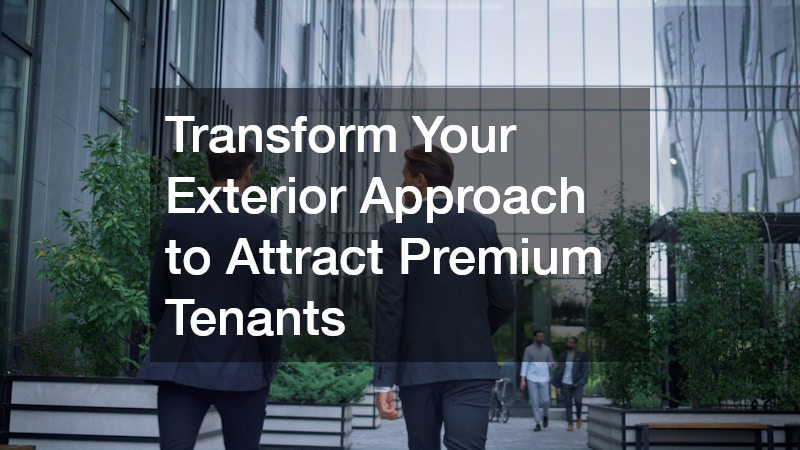
The exterior of your property is the very first physical interaction a prospective tenant, client, or employee has with your building. Long before they step into the lobby or inspect the office floor plans, they have already formed a subconscious opinion based on the curb appeal and accessibility of your site. Neglected exteriors signal deferred maintenance, which can make potential lessees wary of how the interior systems are managed. Enhancing the exterior approach is about much more than just landscaping; it involves optimizing traffic flow, ensuring safety, and mitigating structural liabilities.
A property’s parking facilities and driveways are subjected to immense daily wear and tear from vehicles, weather elements, and chemical runoff. Over time, asphalt surfaces develop potholes, extensive cracking, and poor drainage, while painted directional lines fade into obscurity. This not only creates an uninviting aesthetic but also presents significant liability risks regarding vehicular accidents and pedestrian safety. Furthermore, non-compliance with the Americans with Disabilities Act (ADA) regarding accessible parking can lead to costly legal penalties. Partnering with a reputable commercial paving company to mill, resurface, and properly restripe your parking lots provides an immediate, highly visible facelift. A freshly paved and clearly marked lot improves traffic flow, reduces liability, and signals to tenants that the property is meticulously managed.
Beyond the asphalt, the foundational hardscaping of your property demands equal attention. Retaining walls, loading docks, pedestrian walkways, and foundational perimeters are critical structural elements. When these begin to crack, spall, or sink due to soil erosion or freeze-thaw cycles, they become serious trip hazards and threaten the structural integrity of adjoining systems. Addressing these issues promptly is vital. Bringing in experts who specialize in commercial concrete to repair, reinforce, or entirely replace compromised hardscaping prevents minor cosmetic issues from evolving into massive structural failures.
Actionable Steps for Exterior Upgrades:
-
Conduct a biannual hardscape audit: Walk the property in the spring and fall to identify new cracks, pooling water, or signs of pavement degradation.
-
Prioritize ADA compliance: Ensure all ramps, curb cuts, and designated parking spaces meet current federal and local accessibility guidelines.
-
Optimize loading zones: For industrial or mixed-use properties, ensure loading docks are structurally sound and equipped with proper bumpers and levelers to handle heavy freight traffic.
-
Upgrade exterior lighting: Transition parking lot and walkway lighting to high-efficiency LED fixtures to improve nighttime safety and aesthetics.
-
Implement preventative maintenance: Schedule routine seal coating and crack filling for asphalt surfaces to extend their lifespan and delay the need for full replacements.
Maximize Energy Efficiency to Lower Operating Costs
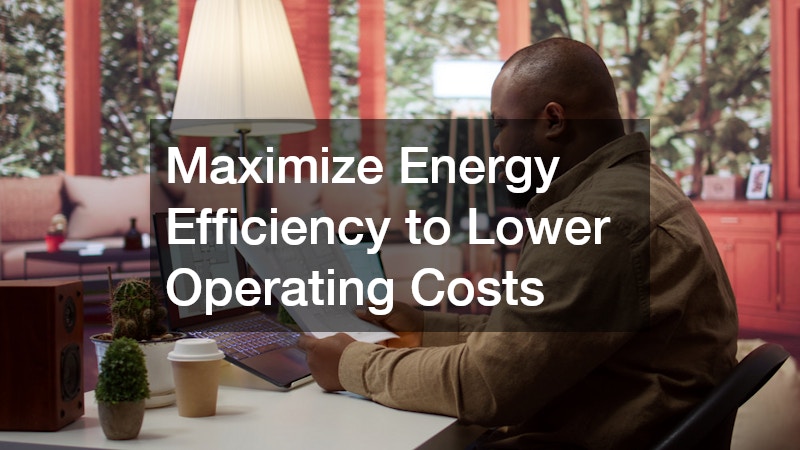
In today’s market, energy efficiency is no longer just an environmental talking point; it is a critical financial metric. High utility costs directly impact the bottom line for both landlords operating under gross leases and tenants under triple-net leases. Furthermore, a growing number of corporate tenants have internal environmental, social, and governance (ESG) mandates that dictate they must lease space in energy-efficient buildings. Modernizing your building’s envelope and climate control systems is one of the most effective ways to lower operating costs, secure premium tenants, and pursue valuable green building certifications like LEED or ENERGY STAR.
The building envelope—specifically the fenestration—is a primary source of thermal loss in the winter and solar heat gain in the summer. Outdated, single-pane windows or aging seals force climate control systems to work overtime, driving up electricity and gas bills while creating uncomfortable microclimates within the building. To combat this, property owners should evaluate their current glazing. Hiring experienced commercial glass contractors to install modern, double-paned or triple-paned windows featuring low-emissivity (low-E) coatings can drastically alter the building’s thermal performance. These advanced window systems reflect infrared energy, keeping the heat outside during summer and inside during winter, while still allowing ample natural light to penetrate the workspace.
Simultaneously, the internal climate control systems must be optimized. Legacy heating and cooling units are notoriously inefficient, prone to frequent breakdowns, and often distribute air unevenly. Upgrading to a state-of-the-art commercial hvac system—such as a Variable Refrigerant Flow (VRF) system—allows for precise, zoned temperature control. This means a server room can be cooled while a perimeter office is heated, all within the same highly efficient system. Modern systems also vastly improve indoor air quality through advanced filtration and increased fresh air intake, a feature that has become a paramount concern for tenants focused on employee health and wellness.
Actionable Steps for Energy Upgrades:
-
Commission a professional energy audit: Hire an independent energy consultant to identify the largest sources of energy waste in your facility through thermographic imaging and system testing.
-
Install smart thermostats and BAS: Implement a Building Automation System to monitor and control heating, cooling, and lighting schedules based on actual occupancy and time of day.
-
Upgrade insulation: Check the R-value of roof and wall insulation, adding modern spray foam or rigid board insulation where thermal bridging is occurring.
-
Capitalize on rebates: Research local, state, and federal tax incentives or utility company rebates available for upgrading to high-efficiency equipment.
-
Monitor air quality: Integrate CO2 and particulate sensors into your climate control network to ensure optimal ventilation and healthy indoor air for all occupants.
Revamp Interior Finishes for a Modern Look
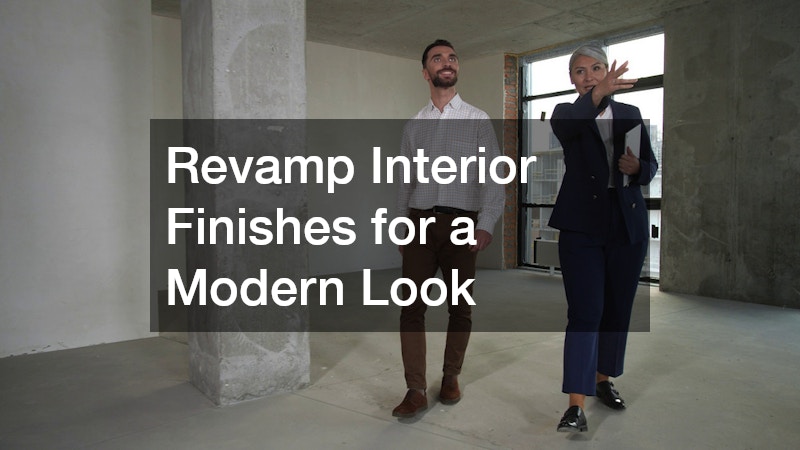
When prospective tenants tour a facility, the interior finishes—the floors, walls, and lighting—play a massive role in their spatial perception. Dark, dated, or visibly worn interiors can make even the most structurally sound building feel neglected and obsolete. Revamping common areas such as lobbies, corridors, elevator banks, and shared amenities is a highly effective way to refresh the property’s image without undergoing massive structural overhauls. A modern, clean, and cohesive interior design strategy translates to higher perceived value and shorter vacancy periods.
Flooring represents one of the largest surface areas in any building and dictates much of the acoustic and visual atmosphere. Aging broadloom carpets quickly show traffic patterns, trap allergens, and become difficult to clean, while outdated ceramic tiles can crack and look institutional. To modernize these spaces, landlords should contract professional commercial flooring services to install contemporary, resilient materials. Luxury Vinyl Tile (LVT) has become an industry standard due to its ability to realistically mimic natural wood or stone while offering extreme durability, acoustic dampening, and low-cost maintenance. For high-traffic lobbies, polished concrete offers an industrial-chic aesthetic that is virtually indestructible and highly reflective, maximizing interior lighting.
Complementing the floors, the walls must be addressed to unify the aesthetic. Faded, scuffed, or oppressively dark paint colors shrink spaces and absorb natural light. Repainting is arguably the most cost-effective cosmetic upgrade available, provided it is executed correctly. Utilizing professional commercial painters ensures rapid turnaround times, minimal disruption to existing tenants, and flawless execution. They can apply low-VOC (Volatile Organic Compound) and zero-VOC paints, which are crucial for maintaining indoor air quality and avoiding the lingering chemical odors that disrupt business operations. Selecting light, neutral palettes with strategic accent walls can dramatically brighten floor plans, making spaces feel larger, cleaner, and ready for immediate move-in.
Actionable Steps for Interior Finishes:
-
Prioritize the lobby: As the central hub of the building, invest a larger portion of the cosmetic budget into the lobby, utilizing high-end finishes, statement lighting, and modern wayfinding signage.
-
Implement biophilic design elements: Integrate natural textures, indoor plant installations, and living walls, which have been proven to reduce occupant stress and enhance aesthetic appeal.
-
Standardize a building palette: Create a cohesive design standard for all common areas to ensure a unified look, which simplifies future maintenance and touch-ups.
-
Upgrade acoustic treatments: In open-plan areas or hard-surfaced corridors, install decorative acoustic ceiling baffles or wall panels to manage reverberation and noise pollution.
-
Focus on durability in transition zones: Use heavy-duty walk-off mats and highly resilient flooring materials in entryways and elevator cabs where foot traffic is most concentrated.
Build Durability into Heavy-Duty and Manufacturing Zones
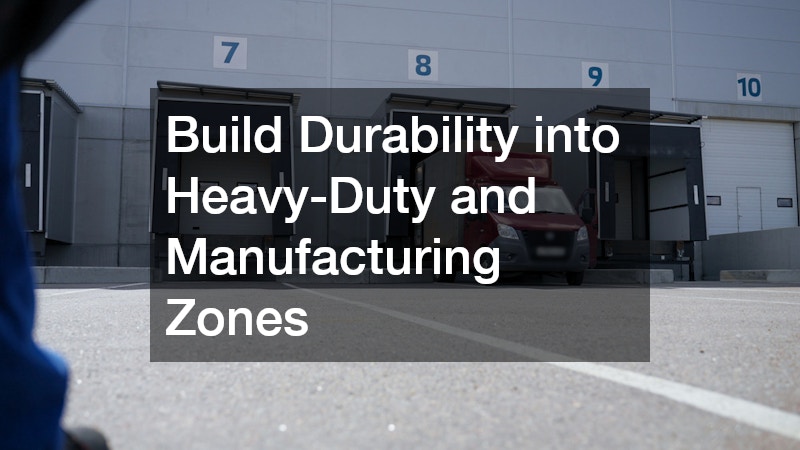
While office spaces and lobbies require aesthetic finesse, industrial, manufacturing, and back-of-house utility zones require uncompromising durability. Warehouses, loading bays, mechanical rooms, and production floors are subjected to extreme stressors, including heavy machinery, forklift traffic, chemical spills, and significant impact forces. If these spaces are not properly outfitted, they degrade rapidly, leading to constant repair costs, operational downtime, and severe safety hazards for the workforce. Upgrading these functional zones is critical for industrial property valuation and tenant retention.
The foundation of any heavy-duty zone is the flooring system. Bare concrete, while strong, is porous and susceptible to staining, chemical degradation, and dust generation as the surface wears down. To protect this critical asset, property owners should invest in high-performance coatings. Applying seamless commercial epoxy floors creates an impermeable, highly durable barrier that resists chemical spills, hot tire pickup from forklifts, and heavy abrasions. Furthermore, these coatings can be customized with anti-slip aggregates to drastically improve workplace safety, and they can incorporate color-coded safety striping directly into the floor system to demarcate pedestrian walkways and hazard zones, keeping tenants in compliance with OSHA regulations.
Beyond the floor surface, the spatial configuration of industrial spaces often needs modernization to accommodate contemporary logistics and manufacturing processes. Older buildings may feature low clearances, inefficient column spacing, or compartmentalized layouts that hinder modern supply chain operations. To maximize the utility of these spaces, landlords must often undertake strategic structural modifications. This involves vetting and hiring experienced commercial builders who can safely execute complex projects such as raising rooflines, knocking down non-load-bearing partitions to create open floor plans, or expanding the building footprint. These experts ensure that all heavy-duty renovations are engineered correctly, meet strict local zoning codes, and are structurally sound enough to support the demands of modern industrial tenants.
Actionable Steps for Heavy-Duty Zones:
-
Assess load-bearing capacities: Before leasing to heavy manufacturing tenants, verify the structural load limits of the flooring and roofing systems to ensure they can handle specialized equipment.
-
Upgrade industrial lighting: Replace dim metal halide or fluorescent high-bay lights with high-lumen LED fixtures to improve visibility, safety, and energy efficiency on the warehouse floor.
-
Install impact protection: Add heavy-duty bollards, column protectors, and wall guards in areas with high forklift traffic to prevent accidental structural damage.
-
Optimize ventilation and exhaust: Ensure manufacturing zones are equipped with adequate exhaust systems to handle fumes, dust, or heat generated by industrial processes.
-
Enhance loading dock infrastructure: Upgrade dock seals, levelers, and automated doors to improve the speed and safety of freight handling, while also minimizing thermal loss from the building envelope.
Automate Hygiene Stations to Meet Modern Health Standards
The global shift in public health awareness over the past several years has permanently altered how people interact with shared public spaces. Restrooms, breakrooms, and cafeteria spaces are scrutinized more closely than ever by tenants and their employees. Facilities that feature outdated, manual fixtures are viewed not only as unsanitary but also as neglected. Upgrading hygiene stations to meet modern health standards is an essential strategy for tenant satisfaction, water conservation, and reducing the ongoing burden on janitorial staff.
The cornerstone of a modern hygiene upgrade is the transition to a completely touchless experience. Every physical touchpoint in a restroom—from the door handle to the sink—represents a vector for cross-contamination. Facility managers should prioritize replacing manual flush valves and traditional sink handles with infrared sensor-activated alternatives. Not only does this stop the spread of germs, but automated fixtures also prevent water waste from taps left running and eliminate the mechanical wear-and-tear caused by heavy-handed users.
Hand hygiene is particularly critical. Traditional pump dispensers or bar soaps create messy, unhygienic environments and require constant monitoring by cleaning crews. Installing automated commercial soap equipment provides a sanitary, precise, and highly efficient solution. Modern touchless dispensers can be integrated directly into the countertop or vanity mirror, utilizing bulk-refillable systems hidden beneath the sink or behind the wall. This setup dramatically reduces the cost of consumable supplies, cuts down on the plastic waste associated with single-use cartridges, and ensures that high-traffic restrooms always remain stocked and clean.
Actionable Steps for Hygiene Upgrades:
-
Install touchless drying solutions: Replace paper towel dispensers with high-speed, HEPA-filtered hand dryers to eliminate paper waste, reduce plumbing clogs, and lower janitorial labor.
-
Implement foot-operated door pulls: For restrooms without labyrinth entrances, install foot pulls or forearm handles to allow occupants to exit without touching the door with clean hands.
-
Upgrade ventilation systems: Ensure restroom exhaust fans are tied to occupancy sensors and are sufficiently sized to rapidly remove humidity and odors.
-
Transition to antimicrobial surfaces: When replacing countertops or partitions, select non-porous, antimicrobial materials like quartz or specialized solid surfaces that resist bacterial growth.
-
Utilize smart restroom technology: Consider implementing IoT (Internet of Things) sensors that alert facility management when soap or paper supplies are low, or when plumbing fixtures require maintenance.
Boost Electrical Capacity for High-Tech Operations
As businesses become increasingly reliant on cloud computing, vast data servers, advanced telecommunications, and automated hardware, their electrical demands have skyrocketed. A building that looks beautiful on the outside but lacks the underlying power infrastructure will fail to attract technology firms, medical facilities, or modern corporate headquarters. Future-proofing your property’s power grid is a complex but necessary upgrade that directly correlates with the ability to command premium lease rates.
The first step is a comprehensive assessment of the property’s current amperage and panel distribution. Many older commercial buildings were designed for an era of typewriters and basic lighting, leaving them woefully underpowered for today’s server racks and multi-monitor workstations. Property owners must proactively engage with licensed commercial electricians to conduct heavy load calculations. These professionals can safely upgrade main electrical panels, install secondary subpanels, and run the necessary high-speed data cabling (such as Cat6a or fiber optics) throughout the building. Ensuring that there is ample, clean, and reliable power distribution allows tenants to seamlessly plug in and scale their operations without fear of tripping breakers or suffering brownouts.
Furthermore, electrical upgrades must extend beyond the office floor. The rapid adoption of electric vehicles (EVs) means that modern tenants expect charging infrastructure as a standard amenity. Installing dedicated circuits for EV charging stations in the parking lot or garage is a forward-thinking upgrade that significantly boosts the property’s appeal. Additionally, implementing robust uninterruptible power supply (UPS) systems and backup generators for critical infrastructure ensures that tenant operations remain online during grid outages, a massive selling point for data-heavy businesses.
Actionable Steps for Electrical Upgrades:
-
Audit current power usage: Review peak demand charges on utility bills to understand current electrical loads and identify necessary capacity increases.
-
Install smart sub-metering: Implement sub-metering systems to accurately track and bill individual tenants for their specific power consumption, encouraging energy conservation.
-
Plan for dedicated server power: Ensure that IT closets and server rooms have dedicated, isolated ground circuits and specialized cooling to protect sensitive technology.
-
Integrate robust surge protection: Install facility-wide transient voltage surge suppressors (TVSS) at the main panels to protect building systems and tenant equipment from lightning and power spikes.
-
Expand fiber optic connectivity: Work with local telecom providers to ensure multiple, redundant high-speed fiber lines enter the building, providing diverse connection options for tenants.
Conclusion
Transforming a commercial property from a depreciating liability into a highly sought-after asset requires a comprehensive, strategic approach to facility management. While cosmetic touch-ups can provide a temporary boost in appeal, true value generation comes from addressing the underlying infrastructure. By systematically modernizing the building’s exterior, maximizing its energy efficiency, revamping common areas, fortifying industrial zones, prioritizing automated hygiene, and expanding technological capacities, property owners can position their real estate at the top of the market.
These extensive upgrades represent a significant commitment of capital and time, but it is vital to view them as an investment rather than an expense. Buildings that offer safe, efficient, and aesthetically pleasing environments naturally experience lower tenant turnover, reduced maintenance emergencies, and higher overall operational efficiency. In a commercial landscape where tenant expectations are continually rising, proactive modernization is the only reliable strategy to maintain a competitive edge.
Take the time to thoroughly audit your facility against the benchmarks discussed in this guide. Prioritize the projects that resolve immediate safety liabilities and offer the fastest return on investment through energy savings and tenant acquisition. By partnering with experienced, specialized professionals for each phase of your renovation, you can ensure that every upgrade is executed to the highest standard, securing the long-term profitability and success of your commercial property.