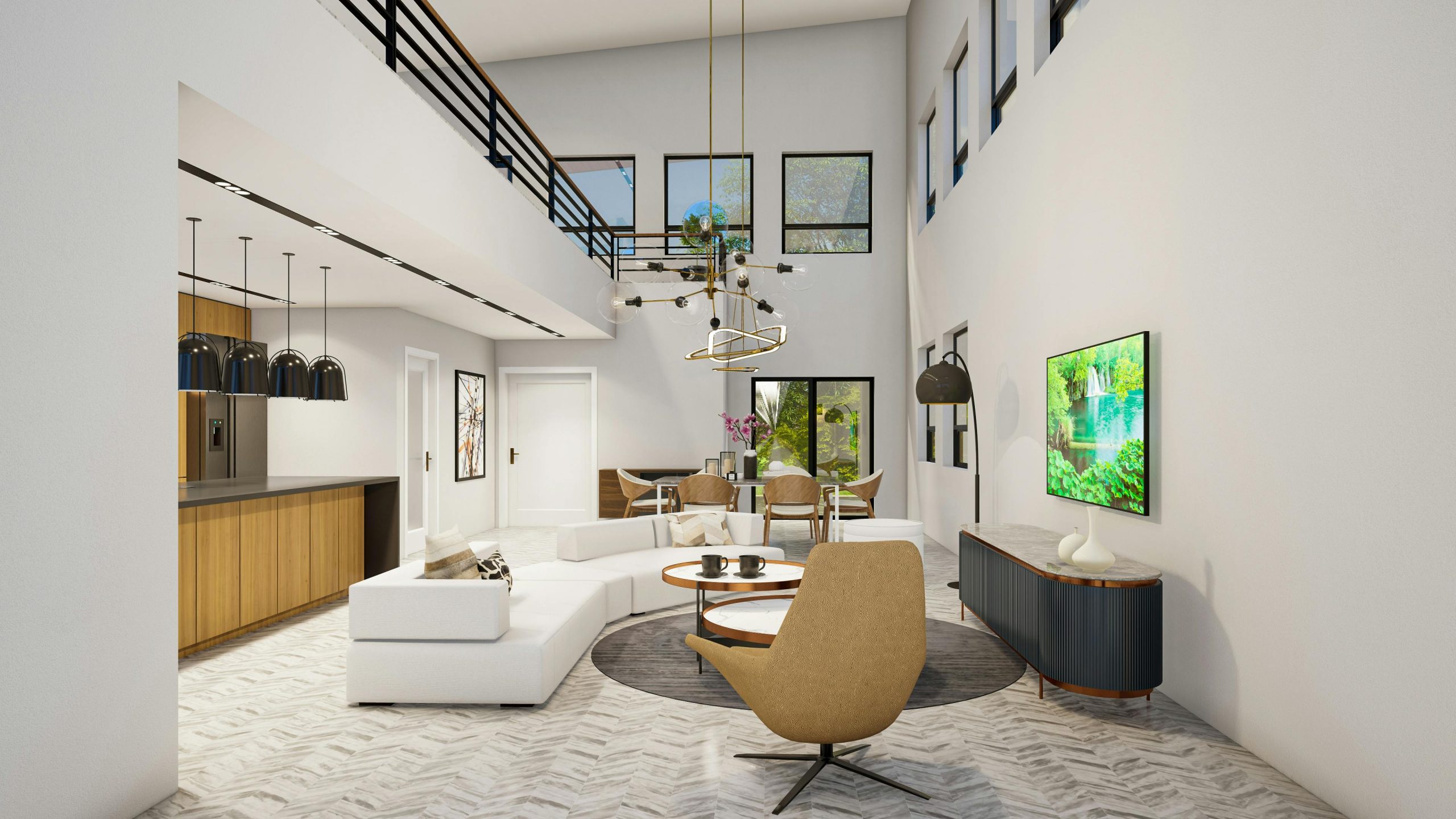

Highlights:
- Whole-home integration is now a baseline expectation in luxury remodeling — smart systems for lighting, HVAC, and security should be planned before walls go up, not added as an afterthought.
- Biophilic design has evolved far beyond houseplants — living walls, indoor water features, natural material palettes, and acoustic design are being used to turn homes into genuine wellness environments.
- The primary suite delivers some of the highest returns on investment — spa-inspired bathrooms, custom closets, and private lounging areas directly improve daily quality of life and hold strong resale value.
- Outdoor spaces are being designed and finished to the same standard as interiors — fully equipped kitchens, climate-controlled rooms, and professional landscape lighting have redefined what “outdoor living” means at the high end.
- Sustainability and luxury are no longer at odds — triple-pane windows, heat pump systems, reclaimed materials, and solar integration are now markers of quality construction, not compromise.
- Wellness has become a central design principle, with dedicated fitness spaces, hospital-grade air and water filtration, and circadian lighting systems treating the home as a proactive health environment.
- Timeless remodeling favors quality, proportion, and flexibility over chasing trends — the best projects invest in exceptional materials, maintain visual coherence throughout the home, and build in adaptability for the future.
Home remodeling has always been a reflection of the times — the technology available, the cultural shifts happening around us, and the way people actually want to live. But 2026 feels different. The gap between “luxury” and “standard” has narrowed in some areas while deepening in others, and homeowners today are making bolder, smarter, and more intentional choices than ever before. Whether you’re planning a full gut renovation or a targeted room-by-room refresh, understanding what’s trending at the high end of the market can help you make decisions that are both beautiful and built to last. Here’s a deep dive into the trends that are defining modern home remodeling in 2026.
Why Whole-Home Integration Is the New Standard
If you asked a luxury homeowner a decade ago what their biggest wish was for their home, most would have said something like “more space” or “a nicer kitchen.” Today, the answer is almost universally about seamless integration — the ability for every system in the home to communicate, respond, and adapt without the homeowner having to think about it.
Smart home technology has matured to the point where it’s no longer a novelty. In 2026, high-end remodels are built around integrated ecosystems from the start, not bolted on as an afterthought. We’re talking about lighting systems that adjust to your circadian rhythm, HVAC systems that learn your schedule and preferences, security systems that connect to everything from your doorbell to your appliances, and entertainment setups that disappear into the walls when not in use.
The key to making this work is working with a systems integrator early in the process — ideally before walls go up. Rewiring a home after the fact is expensive and disruptive. When you plan for integration from the beginning, the technology becomes invisible in the best possible way.
What Does Biophilic Design Actually Look Like in Practice?
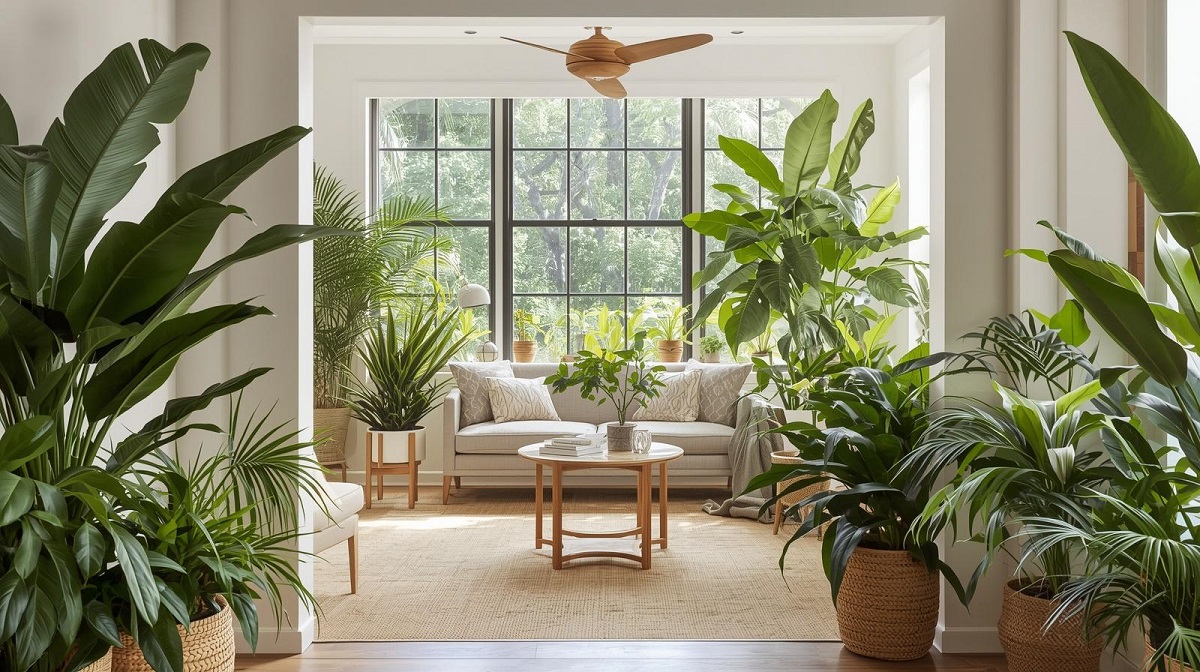
Biophilic design — the idea of bringing nature indoors — has been a buzzword in architecture and interior design for a few years now, but in 2026, it’s moved well past the “add some plants” phase into something much more sophisticated.
At the high end, biophilic design looks like this:
- Living walls that span entire rooms, featuring curated plantings maintained by built-in irrigation systems
- Indoor water features integrated into structural elements, from sculptural fountains to narrow channels that run along the floor or wall
- Natural material palettes that go beyond wood and stone to include cork, bamboo, rattan, and raw clay plasters
- Maximized daylight through thoughtful window placement, skylights, and light tubes that pull sunlight deep into interior spaces
- Acoustic design that incorporates natural materials to soften sound and create a sense of calm
The science behind this trend is solid — studies consistently show that exposure to natural elements reduces stress, improves mood, and increases productivity. Luxury homeowners are increasingly treating their homes as wellness environments, and biophilic design is central to that shift.
The Quiet Revolution in High-End Kitchen Remodeling
Kitchens continue to be one of the top investment areas in home remodeling, but the aesthetic direction has shifted dramatically. The all-white kitchen with subway tile and shaker cabinets is giving way to something far more distinctive and considered.
In 2026, the high-end kitchen is defined by:
- Integrated appliances that hide behind cabinetry panels, creating a seamless, furniture-like appearance
- Statement stone — not just on countertops, but on backsplashes, islands, and even ceilings, with dramatic veining and large slab formats that minimize seams
- Mixed metals done with intention, combining unlacquered brass, aged bronze, and matte black in a single space
- Butler’s pantries and scullery kitchens that keep the main cooking space clean and serene by moving prep work and appliance storage out of sight
- Professional-grade everything, from ranges to refrigeration to ventilation, because home cooking culture hasn’t slowed down
There’s also a growing emphasis on sustainability in kitchen remodeling. Induction cooking has gone mainstream in the luxury market, energy-efficient refrigeration is standard, and countertop materials made from recycled content are being embraced not as compromises but as premium choices.
Should You Renovate Your Primary Suite First?
For many homeowners, the answer in 2026 is increasingly yes — and here’s why. The primary suite has become the most personal and emotionally significant room in the home. It’s where people recover, recharge, and carve out space that feels entirely their own. Luxury primary suite renovations in 2026 reflect that deeply personal function.
The most sought-after features include:
- Spa-inspired bathrooms with steam showers, soaking tubs, heated floors, and towel warmers that feel like a five-star hotel
- Custom walk-in closets designed around the homeowner’s specific wardrobe and lifestyle, with island storage, built-in lighting, and sometimes even a dedicated dressing mirror with integrated lighting
- Dedicated lounging areas adjacent to the bedroom — a sitting room, reading nook, or small home bar that extends the suite into a private retreat
- Acoustic isolation that blocks sound from the rest of the house, particularly valuable in multi-generational households or homes with young children
To prioritize upgrades in your home remodeling project, the primary suite is often one of the most impactful places to start — it directly affects daily quality of life and consistently delivers strong returns at resale.
How Are Outdoor Spaces Changing the Definition of Square Footage?
One of the lasting effects of the pandemic years is that outdoor living has been permanently elevated in the eyes of homeowners. In 2026, high-end outdoor remodeling has become nearly indistinguishable from indoor renovation in terms of material quality, amenity level, and design sophistication.
Today’s luxury outdoor spaces include:
- Fully equipped outdoor kitchens with professional grills, wood-fired ovens, refrigeration, dishwashers, and bar setups
- Climate-controlled outdoor rooms with retractable screens, radiant heating, and ceiling fans that extend the usable season dramatically
- Swimming pools redesigned as landscape features, often integrating naturalistic rock formations, zero-edge designs, and adjacent spas or cold plunge pools
- Dedicated outdoor entertainment zones with weatherproof audio-visual systems and fire features
- Landscape lighting systems designed by professionals that treat the yard as an architectural space after dark
The materials being used outdoors have also improved dramatically. Porcelain pavers, powder-coated aluminum, teak and ipe hardwoods treated for longevity, and weather-resistant fabrics that mimic indoor textiles have all made outdoor spaces genuinely luxurious year-round.
What Role Does Sustainable Construction Play in Luxury Remodeling?
Sustainability and luxury are no longer in tension with each other — in fact, in 2026, high-performance sustainable construction is considered a marker of quality. Homeowners at the top of the market are increasingly building for longevity, efficiency, and responsibility, and the industry has responded with materials and methods that deliver all three without compromise.
Key sustainable elements appearing in high-end remodels include:
- Triple-pane windows and high-performance insulation that dramatically reduce energy consumption and improve interior comfort
- Heat pump technology for both HVAC and water heating, which has become the preferred choice in net-zero and low-carbon homes
- Salvaged and reclaimed materials incorporated as design features — reclaimed wood beams, antique tile, vintage hardware — that add character while diverting waste
- Low-VOC and natural paint and finish systems that improve indoor air quality without sacrificing depth of color or durability
- Solar integration designed as part of the architecture rather than as a retrofit
For anyone planning a significant remodel, it’s worth getting expert guidance for a smooth home remodel that incorporates energy efficiency from the planning stage forward — retrofitting sustainability is always more expensive than building it in from the start.
The Rise of the Wellness-Centered Home

Health and wellness have moved from being features people “add on” to being central organizing principles of how luxury homes are designed and remodeled. This is one of the most significant shifts in the high-end market in 2026.
A wellness-centered home remodel might include:
- Dedicated home fitness spaces with gym-quality flooring, mirrors, equipment, and sometimes adjacent recovery rooms with infrared saunas or cold plunge pools
- Air quality systems that combine HEPA filtration, UV purification, and continuous fresh air exchange for a level of indoor air quality that surpasses most commercial spaces
- Water filtration at every tap, including whole-house softening and reverse osmosis drinking water systems
- Circadian lighting systems that shift color temperature and intensity throughout the day to support healthy sleep and energy cycles
- Mindfulness or meditation spaces — quiet rooms designed with acoustic dampening, natural materials, and minimal visual noise
This trend reflects a broader cultural shift toward treating the home as a proactive health environment rather than simply a comfortable one.
Understanding the Real Cost of a High-End Remodel
One of the most important conversations any homeowner can have before embarking on a significant remodel is an honest one about budget — not just the budget they’ve set, but the full picture of what the project will actually cost when everything is accounted for.
High-end remodeling in 2026 comes with real costs that go beyond materials and labor. There are permitting fees, architectural and design fees, structural engineering when needed, temporary relocation costs if the home becomes unlivable during construction, and the often-underestimated cost of decisions made during the project.
One of the most practical things homeowners can do is work to protect your home during remodeling projects — this means everything from physically protecting finishes and fixtures that aren’t being replaced, to protecting yourself legally and financially with proper contracts, permits, and insurance coverage for the duration of the work. It also means vetting contractors thoroughly, checking references, and ensuring that everyone on the project is properly licensed and insured.
Budget contingencies of 15 to 20 percent above the estimated project cost are standard practice in high-end renovation. Material costs can shift, unexpected conditions get discovered behind walls, and design decisions evolve. Building that flexibility into the plan from day one is the difference between a project that finishes smoothly and one that ends in stress.
What Makes a Remodel Timeless Instead of Just Trendy?
This is the question every thoughtful homeowner should ask before committing to any major design decision. Trends are useful as inspiration, but the best remodels are built around the specific lives of the people who live in them — and designed with enough restraint and quality that they’ll look and feel right a decade from now.
Timeless remodeling choices share a few common qualities. They favor quality over novelty — spending more on one exceptional material rather than filling a space with mediocre versions of everything. They prioritize proportion and light over decoration. They choose custom and semi-custom solutions over off-the-shelf products wherever it matters. And they treat the home as a whole rather than a collection of isolated rooms, ensuring that finishes, colors, and architectural details flow coherently from space to space.
The best remodels also leave room for the home to evolve. Built-in flexibility — spaces that can adapt to changing life circumstances, technology systems that can be updated without tearing out walls, materials that age gracefully rather than dating quickly — is one of the highest forms of design intelligence.
Bringing It All Together
The world of high-end home remodeling in 2026 is defined by integration, intentionality, and a genuine commitment to quality at every level. The trends shaping the market — from whole-home technology ecosystems and biophilic design to wellness spaces and sustainable construction — all point toward the same thing: homes that work harder, feel better, and reflect the real lives of the people who live in them.
Whether you’re tackling one room or reimagining your entire home, the principles behind these trends are worth understanding and applying. Start with a clear vision, work with talented professionals, plan for the real costs, and invest in quality where it matters most. That’s the formula for a remodel that doesn’t just look great when it’s done — it keeps delivering value, comfort, and joy for years to come.