
Highlights:
-
Build from a solid foundation: Address structural integrity, roofing, and foundational issues before investing in any cosmetic or surface-level upgrades to prevent expensive repairs down the road.
-
Prioritize invisible mechanical systems: Upgrade aging electrical, plumbing, and HVAC systems early in the timeline to ensure home safety, local code compliance, and modern capacity.
-
Boost efficiency for long-term savings: Invest in high-performance insulation and energy-efficient systems first, using the resulting utility savings to help fund future aesthetic improvements.
-
Categorize your renovation wishlist: Create a strict hierarchy dividing tasks into urgent repairs, systematic efficiency, and cosmetic updates to prevent emotional spending on non-essential projects.
-
Protect finishes with proper sequencing: Complete all behind-the-wall infrastructure, layout adjustments, and rough-in utilities before installing fragile, high-end design elements like custom cabinetry and tile.
Walking into a house that needs a transformation is an exhilarating feeling. You can practically see the wall coming down to create that open-concept kitchen, or you can picture the sleek, freestanding soaking tub replacing the dated fiberglass shower insert. It is incredibly easy to get swept up in the fun stuff—the paint swatches, the quartz countertops, and the smart appliances.
But if you pour your entire budget into the cosmetic upgrades while ignoring a leaky roof or an outdated electrical panel, your beautiful new kitchen could be ruined by water damage or a sudden power failure.
Taking on a home renovation requires a strategy that balances your dreams with reality. The smartest approach is always to fix first and upgrade second. By prioritizing structural integrity, safety, and efficiency before diving into aesthetic makeovers, you protect your investment, save money in the long run, and ensure your home is beautiful from the inside out.
Why Should You Fix Structural Issues Before Buying New Furniture?
It is tempting to look at a room and want to change the things you see every day. However, a house behaves like a living organism; if the core systems are failing, the surface elements will suffer. Imagine spending thousands of dollars on custom hardwood flooring, only to have it buckle six months later because of a hidden moisture problem in the crawlspace.
When you prioritize fixes over cosmetic upgrades, you create a stable foundation for everything else. Addressing structural issues right away prevents minor flaws from turning into catastrophic failures. A small crack in the foundation might cost a reasonable amount to inject with epoxy today, but if you wait until it compromises the framing of your living room, the repair bill could skyrocket into the tens of thousands.
Furthermore, tackling the unglamorous projects first makes financial sense. Many structural and systemic repairs improve your home’s efficiency and prevent ongoing damage that drains your bank account. Once the bones of the house are rock-solid, you can spend your remaining budget on upgrades with total peace of mind, knowing that your hard work won’t be ruined by a pre-existing issue.
What Are the Invisible Problems That Deserve Your Budget First?
Before you even look at a single tile sample, you need to assess the invisible or semi-hidden systems that keep your home running safely. These are the critical infrastructure components that should always take precedence over aesthetic updates.
The Roof and the Building Envelope
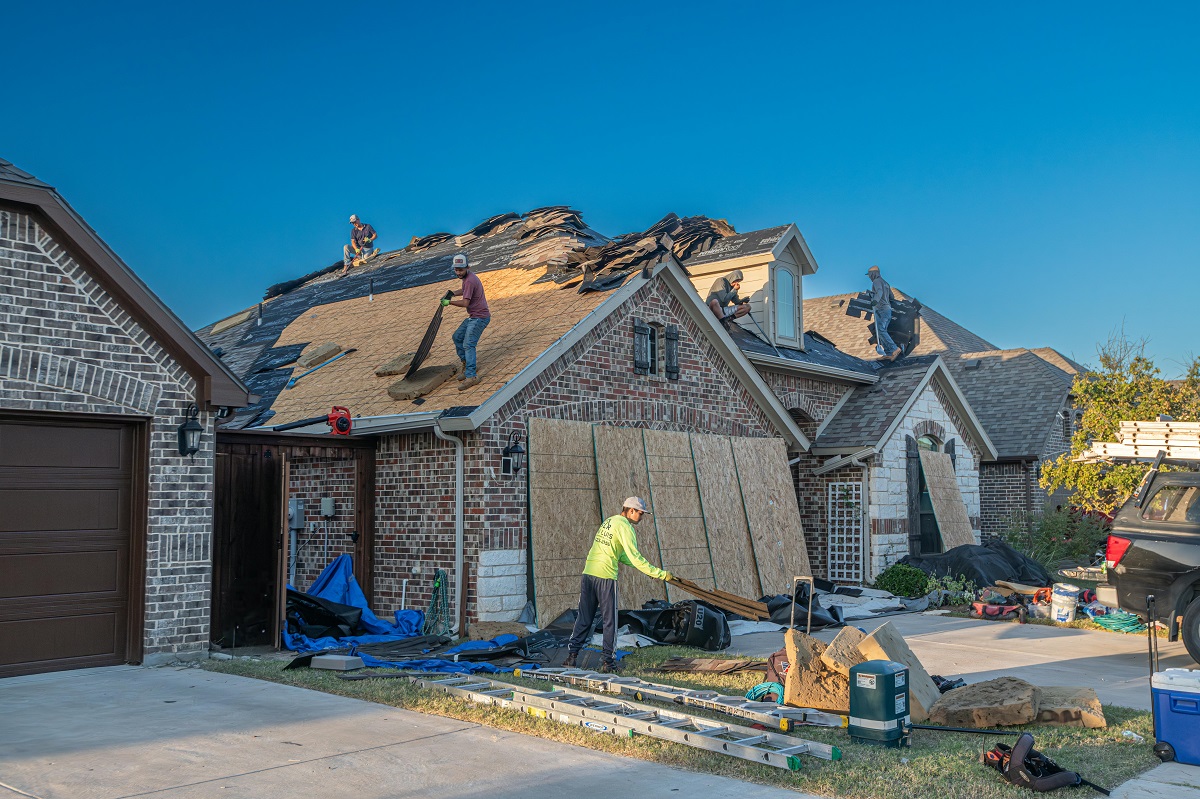
Your roof, siding, and windows form the protective shell of your home. If this shell is compromised, nothing inside is safe. Water is a homeowner’s worst enemy, leading to wood rot, compromised drywall, and hazardous mold growth.
-
Roof condition: Look for missing, curling, or cracked shingles. If your roof is nearing the end of its 20-to-25-year lifespan, replace it before doing interior work.
-
Gutters and downspouts: Ensure water is being channeled away from your foundation, not pooling directly next to it.
-
Window seals: Drafty or rotting windows allow conditioned air to escape and water to seep into the framing.
Electrical and Plumbing Systems
Old wiring and deteriorating pipes are not just inconvenient; they are major safety hazards. An upgrade to your kitchen won’t matter if your electrical panel can’t handle the load of modern appliances.
-
Amperage capacity: Older homes often have 60-amp or 100-amp panels. Modern living typically requires at least a 200-amp service to run HVAC systems, EV chargers, and high-end appliances simultaneously.
-
Pipe materials: If your home has old galvanized iron or polybutylene pipes, plan to replace them with copper or PEX before closing up walls with expensive new tile.
Foundations and Grading
A house is only as good as the ground it sits on. Foundation shifts can cause doors to stick, windows to jam, and drywall to crack across rooms you just finished painting.
-
Soil grading: Ensure the ground slopes away from your home’s perimeter to prevent basement flooding.
-
Sump pumps: If you have a basement, investing in a high-quality sump pump with a battery backup is far more critical than upgrading basement finishes.
How Do You Separate Your Cosmetic Desires From Structural Needs?
Creating a renovation checklist requires a level of emotional detachment from the project. It is helpful to categorize every single project you want to do into a strict hierarchy. A simple way to do this is by dividing your wishlist into three distinct buckets: Urgent Repairs, Systematic Efficiency, and Cosmetic Upgrades.
| Project Category | Examples of Tasks | Impact on Home Value & Safety |
| Urgent Repairs | Roof leaks, mold remediation, faulty wiring, foundation cracks | Prevents active degradation; ensures basic safety and code compliance. |
| Systematic Efficiency | HVAC replacement, insulation, water heater upgrade, energy-efficient windows | Lowers monthly utility bills; improves daily comfort and temperature regulation. |
| Cosmetic Upgrades | Kitchen backsplash, luxury vinyl plank flooring, modern lighting fixtures, painting | Enhances aesthetic appeal; increases personal enjoyment and subjective resale value. |
When you map out your renovation this way, your path forward becomes clear. You cannot move a project from the bottom row to the top row just because it is more exciting. You must fund the top row completely before allocating leftover funds to the bottom row.
What Happens If You Skip the Essential Repairs?
Skipping essential repairs to fund cosmetic upgrades is a gamble where the house always wins. The consequences of ignoring infrastructure can be devastating to both your sanity and your wallet.
Consider the example of a bathroom remodel. You might decide to leave old, slightly corroded copper pipes in the wall because they aren’t leaking right now, allowing you to afford a premium marble vanity. Two years later, one of those old pipes develops a pinhole leak behind your new vanity. To fix it, a plumber has to tear out the marble vanity, cut through your new drywall, and replace the pipe. You end up paying for the plumbing repair anyway, plus you have to pay to replace the damaged vanity and repair the wall. You essentially pay for the same renovation twice.
Ignoring essentials can also impact your ability to insure your home or sell it in the future. Home inspectors are trained to look past fresh paint and beautiful staging. If they find an ancient furnace, a leaking roof, or an electrical panel that is a known fire hazard, buyers will either walk away or demand massive price drops that far outweigh what it would have cost you to fix the problem originally.
How Can You Inspect Your Home Like a Professional?
You do not need to be a licensed contractor to spot some of the most glaring issues in your home. Walking through your property with a critical eye can help you build your initial “fix first” list.
Start in the lowest point of your house: the basement or crawlspace. Bring a strong flashlight and look for signs of moisture. White, powdery residue on concrete walls (efflorescence) indicates that water is pushing through from the outside. Look up at the floor joists to check for signs of sagging, wood rot, or termite damage.
Next, head to the highest point: the attic. Check the underside of the roof deck for dark water stains or mold. Look at the insulation levels; if you can see the tops of your ceiling joists, you do not have enough insulation, which means you are losing money on heating and cooling every single month.
Finally, walk the exterior perimeter. Check for cracks in the brickwork or foundation walls that follow a stair-step pattern, as this often indicates structural settling. Look for rotted wood trim around doors and windows, and ensure that dirt and landscaping mulch are kept several inches below your siding to prevent pest infestations.
Where Does Energy Efficiency Fit Into the Renovation Timeline?

Once the structural emergencies are handled, the next logical step before cosmetic work is improving your home’s energy efficiency and mechanical systems. This is the middle tier of the renovation hierarchy, and it pays dividends immediately.
Replacing an old, inefficient HVAC system or adding proper insulation to your walls and attic might not feel as rewarding as seeing a new kitchen island installed, but it drastically alters how your home functions.
High-performance insulation and modern heating and cooling systems create a stable interior climate. They prevent drafts, reduce interior dust and allergens, and keep your floors comfortable to walk on.
Additionally, optimizing these systems reduces your monthly utility bills. The money you save on electricity and gas over a year or two of living in the home can directly fund the cosmetic upgrades you want to do later. It is a self-funding cycle: the house becomes cheaper to run, freeing up cash flow for the prettier details down the road.
How Do You Find the Right Professionals to Handle Your Essential Fixes?
Handling structural, electrical, and plumbing work is rarely a weekend DIY project. These tasks require specialized knowledge, specialized tools, and proper permits to ensure everything complies with local building codes. Attempting to DIY a major structural fix can lead to dangerous mistakes and can even void your homeowner’s insurance policy.
Finding the right team to execute these critical repairs requires diligence. When vetting professionals, you need to look beyond the cheapest estimate. For complex structural work or total system overviews, leaning on a comprehensive guide to hiring home renovation contractors can save you from hiring underinsured or uncertified individuals who might cut corners on your home’s foundation.
Always verify that the professionals you bring in possess active licenses, robust liability insurance, and worker’s compensation coverage. Ask for references specifically from clients who hired them for infrastructure work rather than cosmetic makeovers. A contractor who excels at laying beautiful subway tile might not be the right person to sister your sagging floor joists or re-engineer your load-bearing walls.
What Is the Step-by-Step Process for Planning Your Remodel?
When you are ready to put pen to paper, following a logical sequence ensures that no details are missed and that your budget is maximized effectively.
Step 1: Secure the Perimeter
Address anything allowing the elements inside. This includes fixing roof leaks, replacing broken window panes, repairing damaged siding, and correcting poor exterior drainage.
Step 2: Correct Structural and Safety Hazards
Repair foundation cracks, shore up sagging floors, mitigate any discovered mold, radon, or asbestos, and replace hazardous electrical components like knob-and-tube wiring or outdated panels.
Step 3: Upgrade Mechanicals and Insulation
Install high-efficiency HVAC systems, replace failing water heaters, update old plumbing lines, and blow insulation into the attic and exterior walls.
Step 4: Reconfigure Layout and Drywall
If you are planning to move walls to improve the flow of your home, do it now while the mechanical systems are being updated. Once the framing and rough-in utilities are approved, close up the walls with fresh drywall and prime them.
Step 5: Install Finishes and Cosmetic Details
This is your reward for patience. Install your flooring, cabinets, countertops, light fixtures, and final paint colors. Because you fixed everything underneath, these finishes will look better and last much longer.
How Can You Enjoy the Process While Living in a Construction Zone?
Living through a renovation that prioritizes fixes before finishes can be mentally challenging. It feels like you are spending a lot of money without seeing a dramatic visual transformation. Passing by a dusty, newly insulated wall or looking at a brand-new electrical panel doesn’t give you the same rush of dopamine as seeing a beautifully decorated living room.
To stay motivated, change how you measure progress. Celebrate the milestone of a dry basement during a heavy rainstorm. Take pride in the fact that your home is now safer for your family because the fire hazards have been eliminated.
If you are living in the home during the process, try to set aside one single room that remains completely untouched by construction. Keep this space clean, comfortable, and free of tools or dust. Having a sanctuary where you can escape the chaos of infrastructure repairs will keep your spirits high while your home’s core is being restored.
Protecting Your Biggest Investment for the Future
It takes patience to look at a dated house and say, “I am going to fix the plumbing before I change the kitchen cabinets.” However, this disciplined approach distinguishes successful, stress-free renovations from construction nightmares.
A home is more than just a backdrop for beautiful photos; it is a complex structure designed to shelter you from the elements and keep you safe. By prioritizing the essentials, fixing hidden flaws, and partnering with qualified professionals, you build a home that is truly durable, efficient, and resilient.
Once the foundation is solid, the roof is tight, and the systems are running flawlessly, you can step into the design phase with complete confidence. You will know that every dollar you spend on cosmetic upgrades is protected by a rock-solid house meant to last for decades to come.