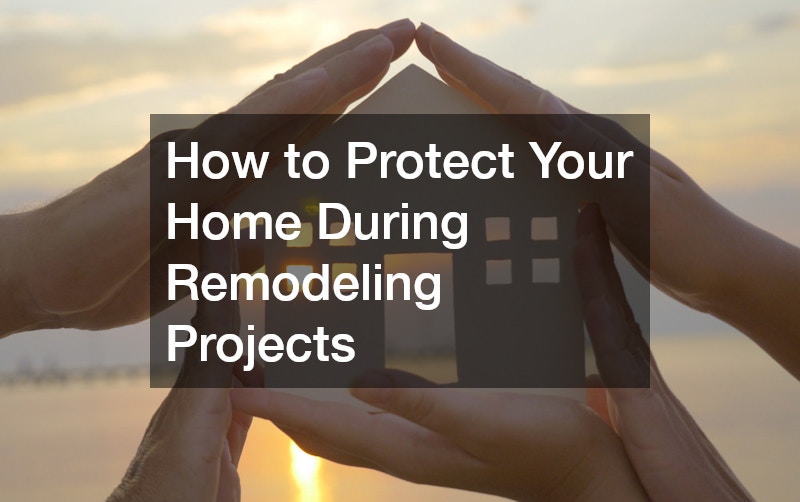
Home remodeling projects can be incredibly rewarding, transforming a house into a more functional, comfortable, and aesthetically appealing space. However, these projects also come with inherent risks to the property, systems, and overall safety. Even minor renovations can result in water damage, electrical issues, pest problems, or structural compromises if precautions are not taken.
Protecting your home during construction requires careful planning, attention to detail, and collaboration with experienced professionals. By implementing proactive measures and coordinating with skilled contractors, you can minimize disruptions, prevent costly repairs, and maintain a safe, clean, and secure environment throughout the remodeling process.
This guide provides a comprehensive look at strategies homeowners can use to safeguard their property during renovations, covering everything from structural and mechanical systems to interior finishes and security measures.
Section 1: Safeguarding Electrical Systems
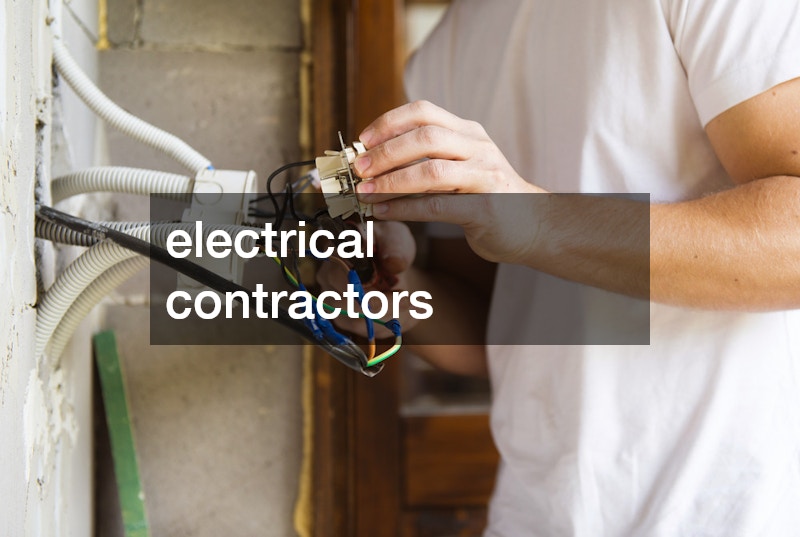
Electrical systems are among the most vital components of any home, powering lighting, appliances, and heating and cooling systems. During a remodel, these systems are particularly vulnerable. Construction activities can expose wiring, overload circuits, and introduce dust or debris that may affect system performance or cause long-term damage. Protecting these systems is critical not only for safety but also for the efficiency and reliability of your home.
How to Assess Your Electrical Needs
Before beginning construction, take a comprehensive look at your home’s electrical infrastructure:
-
System age and capacity: Older electrical panels and wiring may not accommodate the increased load of new appliances, lighting, or HVAC upgrades. Overloaded circuits can lead to tripped breakers, electrical fires, or damage to appliances. Homes built more than 15–20 years ago often require panel upgrades or additional circuits.
-
Temporary power solutions: During construction, certain areas of your home may need power for lighting, tools, or temporary HVAC systems. Temporary connections should be installed safely by licensed professionals to avoid overloading existing circuits. Use dedicated temporary outlets rather than extension cords for heavy tools.
-
Integration with HVAC systems: Modern HVAC units often require dedicated circuits with high amperage to operate efficiently. Early coordination with the HVAC company ensures that electrical capacity aligns with system requirements. Improperly wired HVAC systems can result in short cycling, frequent breaker trips, or premature equipment failure.
-
Future-proofing considerations: If your remodel includes smart home features, high-efficiency lighting, or electric vehicle charging, consider installing additional circuits and conduits during construction. Planning ahead prevents costly rewiring later.
Choosing Qualified Electrical Contractors
Selecting skilled electrical contractors is essential for maintaining safety, efficiency, and code compliance. Consider the following when hiring:
-
Licensing and insurance: Verify that the contractor is fully licensed and insured. This protects both you and the contractor in the event of an accident or property damage.
-
Relevant experience: Ask for references from previous home remodeling projects. Experienced contractors understand the unique challenges of coordinating with multiple trades, including HVAC systems, plumbing, and structural work.
-
Collaboration with HVAC company: Ensure that your electrical contractor coordinates with the HVAC company to prevent scheduling conflicts or wiring mistakes. For example, running ductwork may affect where circuits can be safely installed.
-
Detailed project plan: A good contractor will provide a clear plan, including wiring diagrams, circuit allocations, and timelines for inspections or approvals.
Safety Tips During Electrical Work
Even with professionals on-site, homeowners can take simple precautions to minimize risks:
-
Shut off power in active construction zones: Limit access to areas with exposed wiring to prevent accidental shocks or contact with live circuits.
-
Protect exposed wiring: Use temporary covers, conduit, or plastic sheathing to prevent dust and debris from entering outlets, panels, or junction boxes.
-
Regular inspections: Schedule periodic checks throughout the remodel to catch loose connections, damaged wires, or overburdened circuits before they become serious issues.
-
Avoid overloading temporary circuits: Construction tools, heaters, and lighting can draw significant power. Distribute loads across circuits and avoid daisy-chaining extension cords.
-
Label circuits clearly: Clearly mark which circuits control lighting, outlets, HVAC units, or temporary power to prevent confusion for workers and inspectors.
-
Monitor for heat or odors: Any unusual warmth or burning smell around outlets or panels should be addressed immediately by an electrical contractor.
Additional Considerations
-
Protect appliances: If large appliances are temporarily disconnected during remodeling, ensure they are stored in a dust-free environment and protected from accidental water exposure or impact damage.
-
Plan for inspections: Electrical upgrades or temporary wiring may require municipal inspections. Coordinate with your contractor and the HVAC company to schedule inspections at critical milestones to avoid project delays.
-
Document changes: Keep a detailed record of wiring modifications, panel upgrades, and HVAC circuit installations. This documentation will help with future maintenance or additional renovations.
Proper assessment and coordination between electrical contractors and the HVAC company not only protects your home during construction but also ensures that your electrical system is safe, efficient, and prepared to support new appliances, technology, and HVAC equipment for years to come.
Section 2: Protecting Your Roof and Exterior
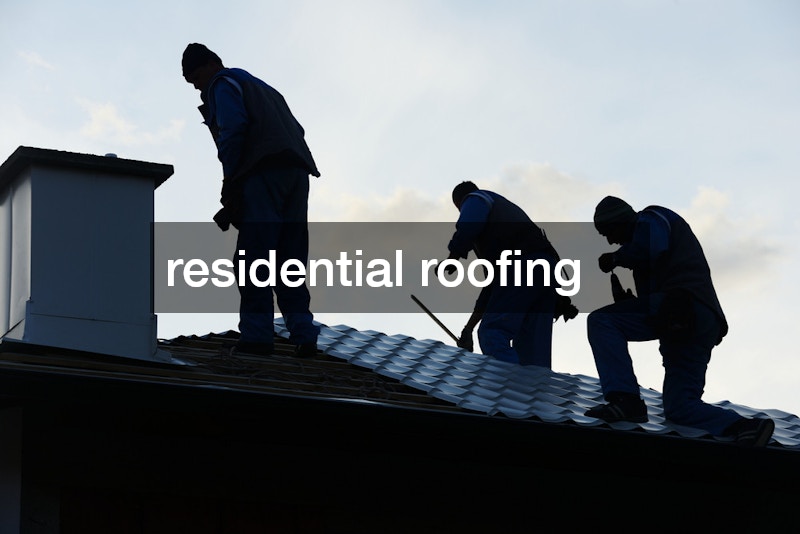
The roof is the first line of defense against weather, pests, and water damage. Protecting it during remodeling is critical, especially if your renovation involves exterior work, skylights, or structural modifications.
Inspecting Residential Roofing
Before starting work, conduct a thorough inspection of your roof:
-
Look for damaged shingles, cracks, or loose flashing.
-
Identify areas prone to leaks or water intrusion.
-
Ensure proper drainage and gutter function to prevent pooling during rain.
Working with Roof Contractors
Roof contractors can provide expertise for both minor repairs and full replacement projects. To protect your home:
-
Verify the contractor’s experience with residential roofing in homes similar to yours.
-
Request a detailed plan for temporary protections, such as tarps or scaffolding.
-
Coordinate roofing work with other exterior projects to minimize exposure to the elements.
Preventing Roof Damage During Renovations
-
Limit heavy equipment or materials near roof edges.
-
Schedule roofing work before interior finishes are installed to avoid water damage.
-
Regularly inspect temporary protective measures, especially after storms or high winds.
By proactively working with roof contractors and addressing residential roofing vulnerabilities, you reduce the risk of water damage and structural issues during construction.
Section 3: Securing Doors, Windows, and Entry Points
Security during a remodel is essential to prevent theft, vandalism, and unauthorized access. Openings such as doors and windows are particularly vulnerable when construction work is underway.
Evaluating Security Needs
-
Identify all entry points, including garage doors, basement windows, and service entrances.
-
Consider temporary locks or barriers for areas under construction.
-
Assess existing alarm systems and cameras to ensure coverage remains adequate.
Working with Local Locksmith Services
Local locksmith services can provide professional solutions for protecting your home during renovations:
-
Upgrade locks on frequently accessed doors.
-
Install temporary security hardware to prevent accidental entry.
-
Rekey doors if construction workers or subcontractors require access.
Additional Security Tips
-
Limit the number of keys or access codes distributed to workers.
-
Schedule deliveries and material drop-offs during monitored hours.
-
Keep valuable items in secure areas away from construction zones.
Proper planning with locksmith professionals ensures that your home remodeling project proceeds without compromising security.
Section 4: Maintaining HVAC Safety and Efficiency
HVAC systems are crucial for maintaining comfort and indoor air quality. Construction debris, dust, and temporary power modifications can all impact system performance.
Protecting HVAC Systems
-
Cover vents and registers to prevent dust infiltration.
-
Isolate ductwork during demolition or sanding work.
-
Ensure electrical contractors coordinate circuit changes and temporary power connections safely.
Scheduling HVAC Work
-
Perform inspections early to identify needed upgrades.
-
Coordinate with other trades to avoid conflicts with plumbing, electrical, or roofing work.
-
Test systems after construction to confirm proper airflow, heating, and cooling balance.
Preventive Measures
-
Replace filters frequently during renovation.
-
Keep heavy tools and materials away from HVAC equipment.
-
Consider temporary portable systems if parts of the home are without functional heating or cooling.
Maintaining HVAC safety and efficiency protects both the system and indoor comfort while renovations are underway.
Section 5: Preventing Water Damage and Plumbing Issues
Water-related issues are among the most damaging problems during home remodeling. Plumbing disruptions, clogged drains, or leaks can compromise newly installed floors, walls, and cabinetry.
Conducting Pre-Remodel Drain Cleaning Service
-
Remove buildup and debris from main drains to prevent blockages during construction.
-
Check all kitchen, bathroom, and utility lines for leaks or corrosion.
-
Schedule professional inspections before major demolition begins.
Protecting Plumbing Systems
-
Temporarily shut off water to areas under renovation.
-
Use protective covers on exposed pipes.
-
Coordinate plumbing work with HVAC upgrades or kitchen remodel plans to avoid conflicting installations.
Post-Construction Checks
-
Test all fixtures for proper operation.
-
Inspect for hidden leaks behind walls or under flooring.
-
Schedule regular maintenance to maintain system integrity.
Taking preventive steps with drain cleaning service and plumbing inspections reduces the risk of costly water damage during remodeling.
Section 6: Controlling Pests During Construction
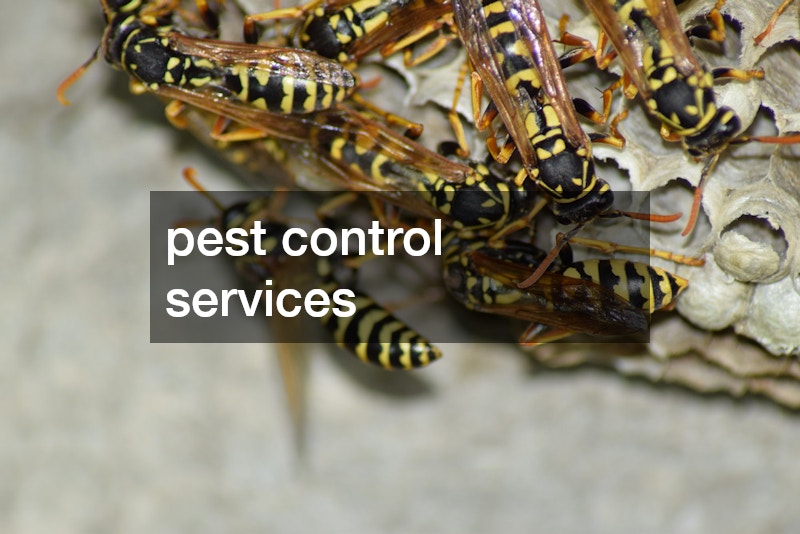
Renovation sites can attract pests due to debris, exposed food sources, and temporary gaps in the building envelope. Uncontrolled infestations can damage materials and compromise indoor health.
Preventing Pest Problems
-
Seal gaps, cracks, and openings in exterior walls and foundations.
-
Keep construction areas clean and free of leftover food or packaging.
-
Store materials off the ground and away from walls.
Working with Pest Control Services
-
Schedule inspections before demolition or kitchen remodel work begins.
-
Apply treatments to vulnerable areas, including crawlspaces, basements, and attics.
-
Establish monitoring programs to catch early signs of infestation.
Kitchen Remodel Considerations
-
Protect cabinets and pantry spaces from rodents and insects during installation.
-
Ensure plumbing and HVAC penetrations are sealed to prevent entry points.
-
Clean all work surfaces daily to discourage pest activity.
Integrating pest control services into the renovation process safeguards both your materials and your family’s health.
Section 7: Protecting Driveways, Patios, and Exterior Surfaces
Exterior surfaces can be damaged by heavy equipment, debris, or improper staging during construction. Protecting driveways, patios, and other paved areas ensures long-term usability.
Planning for Exterior Protection
-
Identify vulnerable surfaces before work begins.
-
Limit vehicle access and staging areas to designated zones.
-
Use protective coverings such as plywood sheets or heavy-duty mats.
Working with Asphalt Paving Contractor
-
Schedule paving work around deliveries and heavy equipment use.
-
Verify that machinery will not damage new or existing surfaces.
-
Coordinate with roof contractors to prevent debris from falling on driveways or walkways.
Additional Tips
-
Mark walkways clearly to prevent accidental damage by subcontractors.
-
Inspect surfaces regularly during construction to catch minor damage before it worsens.
-
Schedule final cleaning and sealing after work is complete to restore finish and durability.
Properly protecting exterior surfaces reduces repair costs and preserves the home’s curb appeal during remodeling.
Section 8: Interior Protection and Dust Control
Interior surfaces are particularly vulnerable to dust, scratches, and stains during a remodel. Protecting floors, cabinetry, and countertops is essential for maintaining quality and aesthetics.
Sealing Work Areas
-
Use plastic sheeting or temporary walls to isolate construction zones.
-
Apply protective films to hardwood floors and tiles.
-
Cover cabinets, appliances, and furniture with durable drop cloths.
Dust Management
-
Use dust collection systems for sanding, cutting, or demolition work.
-
Schedule daily cleanups to prevent dust from settling on finished surfaces.
-
Ventilate spaces where possible to remove airborne particles.
Kitchen Remodel Focus
-
Protect countertops, sinks, and cabinet interiors from debris.
-
Coordinate appliance installation with cabinet placement to prevent scratches or dents.
-
Schedule painting and finishing after major construction to minimize dust accumulation.
Taking these steps ensures that the interior finishes remain pristine throughout the home remodeling process.
Section 9: Scheduling and Coordination for Maximum Protection
-
Develop a comprehensive timeline that sequences electrical, plumbing, HVAC, roofing, and flooring work.
-
Coordinate all contractors to prevent overlapping schedules that could result in accidental damage.
-
Use checklists to ensure protective measures are installed before each trade begins work.
-
Maintain contingency plans for weather delays, material delivery issues, or unforeseen repairs.
Proper coordination helps maintain safety, prevents property damage, and keeps the remodel on track.
Section 10: Insurance, Warranties, and Long-Term Protection
-
Verify that all contractors carry liability insurance and workers’ compensation coverage.
-
Ensure warranties cover potential damage caused during construction or remodeling.
-
Document pre-remodel conditions with photos or video for future reference.
-
Schedule professional inspections after work is complete to confirm compliance with safety codes and quality standards.
These measures provide peace of mind and protect your investment throughout the remodeling process.
Protecting your home during remodeling requires careful planning, proactive measures, and close coordination with skilled professionals. From safeguarding electrical and HVAC systems to preventing water damage, pest infestations, and surface damage, each step ensures a smoother, safer, and more efficient renovation.
By choosing experienced contractors, implementing dust and debris controls, and maintaining ongoing inspections, homeowners can prevent costly setbacks and enjoy a beautifully transformed, fully functional home that meets their vision. Strategic protection measures are an investment in both safety and the long-term value of your property.